
Why Is Miso Ramen Broth So Expensive?
Introduction
Miso ramen broth has captured the attention of culinary enthusiasts worldwide, thanks to its rich umami flavor and versatility. However, despite its rising popularity, many consumers are often taken aback by its price tag. Understanding the intricacies of miso ramen broth—from its history and production methods to its quality grading—can shed light on why this traditional ingredient commands a premium. This article will delve into the multifaceted nature of miso ramen broth, elucidating the factors that contribute to its cost and value.
What Is Miso Ramen Broth?
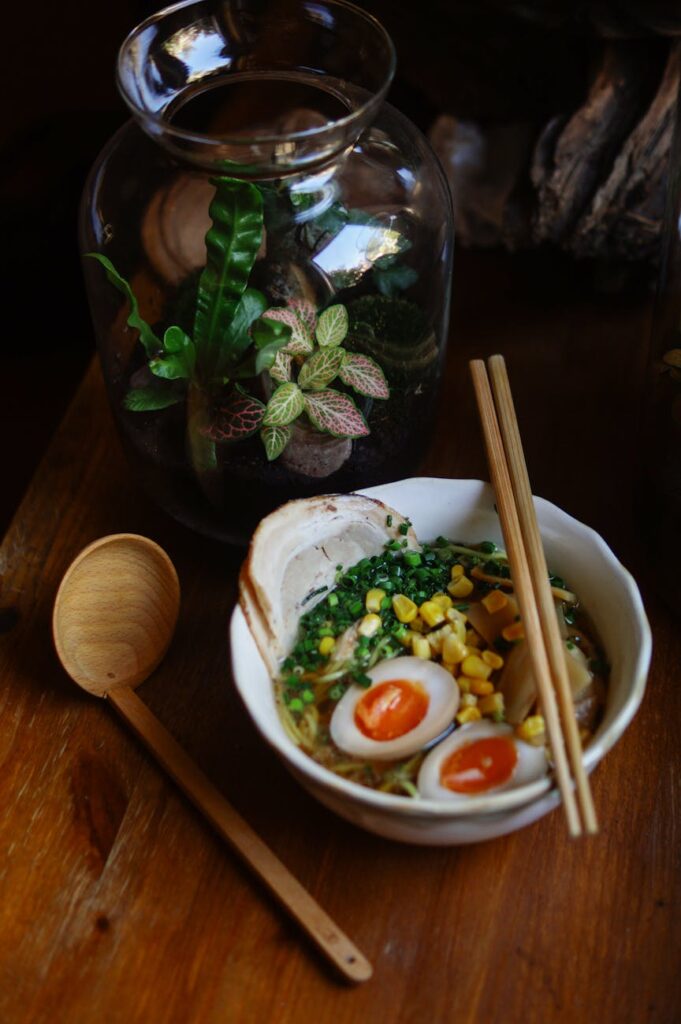
Miso ramen broth is a savory, fermented soup base that forms the foundation of miso ramen—a beloved Japanese noodle dish. The broth is typically made from a combination of miso paste, which consists of fermented soybeans, salt, and a grain such as rice or barley. This unique mixture is often complemented by additional ingredients like dashi (a Japanese soup stock), vegetables, and various seasonings to create a complex and layered flavor profile.
The richness of miso ramen broth lies not only in its taste but also in its cultural significance. It serves as a canvas for chefs to express their culinary artistry, making its preparation an essential skill in Japanese cuisine.
History and Origins
The origins of miso ramen can be traced back to Japan in the early 20th century, particularly in Hokkaido, where the cold climate called for hearty, warming dishes. Miso, a staple in Japanese cooking, has been used for centuries, dating back to at least the 7th century. The introduction of ramen, influenced by Chinese noodle dishes, led to a fusion that saw miso incorporated into the broth.
As ramen spread across Japan, regional variations emerged, with miso ramen gaining particular popularity in the 1960s. Its success was further bolstered by the rise of ramen shops and the growing interest in Japanese cuisine globally, leading to its modern-day acclaim.
Production and Processing
The production of miso ramen broth involves several meticulous steps, each contributing to its final flavor and quality. The first step is the fermentation of soybeans to make miso paste. This process can take anywhere from a few months to several years, depending on the type of miso being produced—white, yellow, or red.
After the miso is prepared, the broth is created by combining it with water, dashi, and other flavor-enhancing ingredients. The choice of dashi—whether made from kombu (kelp), bonito flakes, or shiitake mushrooms—can significantly affect the overall taste of the broth.
The cooking process itself is labor-intensive. Chefs often simmer the broth for hours, allowing the flavors to meld and deepen. The skill involved in balancing the ingredients while achieving the perfect consistency further elevates the broth’s status as a gourmet product.
Quality and Grading
The quality of miso ramen broth is heavily influenced by the type of miso used, which can vary widely in taste, color, and texture. Artisan producers often focus on high-quality, organic ingredients that are fermented using traditional methods, leading to a richer and more complex flavor profile.
Miso can be categorized into several types, including:
- White Miso (Shiro Miso): Mild and slightly sweet, often used in lighter broth.
- Red Miso (Aka Miso): Stronger and saltier, ideal for richer broths.
- Mixed Miso: A combination of white and red, offering a balanced flavor.
- Ramen: The most obvious use; miso ramen broth is the star of the dish, complemented by noodles, vegetables, and proteins.
- Soups and Stews: The broth can be used as a flavorful base for other soups, enriching the overall dish.
- Sauces and Marinades: Reduced miso ramen broth can be transformed into a rich sauce or marinade, imparting umami flavors to meats and vegetables.
- Grain Bowls: Incorporating the broth into grain bowls enhances flavor and nutrition, making an appealing meal option.
Chefs and manufacturers may also grade their miso broth based on factors such as depth of flavor, aroma, and even nutritional content. Higher-quality miso ramen broth will often contain fewer additives and preservatives, further justifying its price.
Buying Considerations
When purchasing miso ramen broth, there are several factors to consider to ensure you are getting the best possible product:
1. Origin: Authentic Japanese miso ramen broth typically comes from reputable producers in Japan. Look for brands that emphasize traditional fermentation methods.
2. Ingredients: Check the label for high-quality ingredients, including organic soybeans, natural seasonings, and a lack of artificial additives.
3. Type of Miso: Determine what type of miso is used in the broth, as this will influence the flavor. Consider your personal preferences and the intended use.
4. Packaging: Miso ramen broth is often sold in jars or vacuum-sealed pouches. Ensure the packaging is intact and designed to preserve freshness.
5. Price: While it may be tempting to opt for cheaper alternatives, be cautious. Higher prices often reflect better quality and craftsmanship.
Uses and Applications
Miso ramen broth is incredibly versatile, serving as a base not just for ramen but also for a variety of dishes. Here are some common applications:
Its rich and complex taste makes miso ramen broth a sought-after ingredient in both home kitchens and professional restaurants.
Storage and Shelf Life
Proper storage is essential to maintain the quality of miso ramen broth. Unopened jars or pouches can typically be stored in a cool, dark place for up to a year. However, once opened, the broth should be refrigerated and consumed within a few weeks for optimal flavor.
To extend its shelf life