
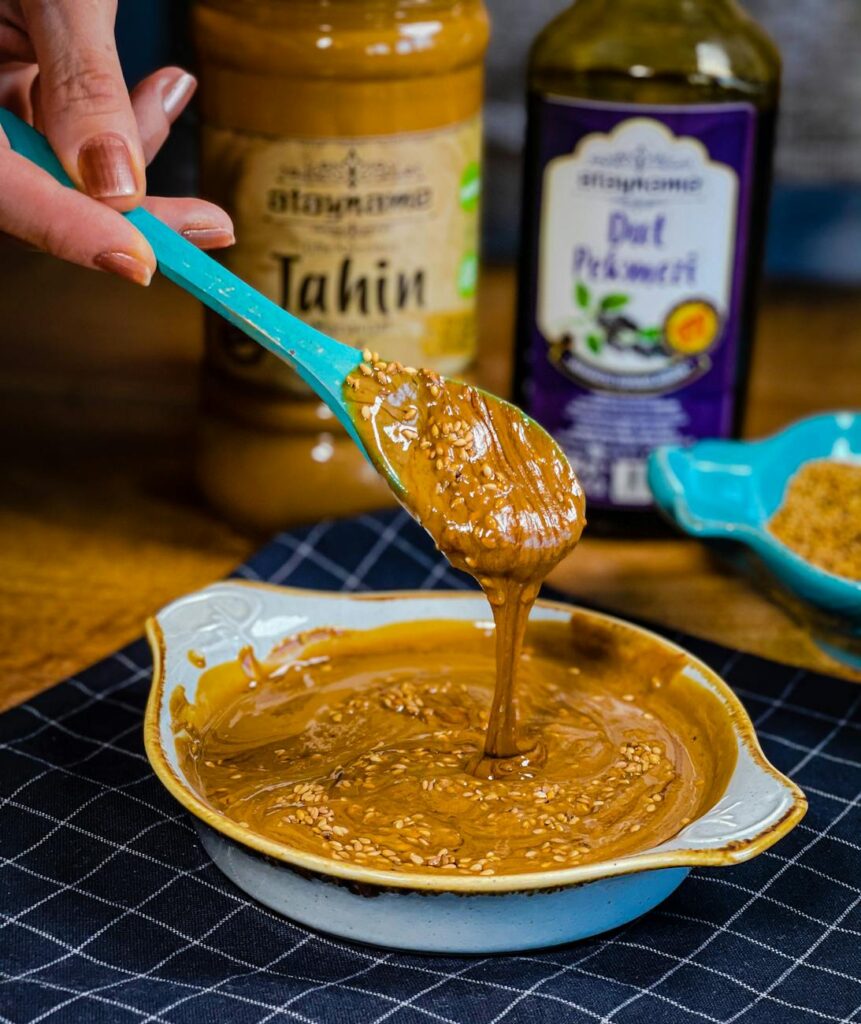
Why Is Miso Tahini So Expensive?
Introduction
Miso tahini, a unique and versatile condiment, has gained significant popularity in recent years due to its rich flavor and nutritional benefits. This combination of miso, a fermented soybean paste, and tahini, a sesame seed paste, creates a creamy, umami-rich ingredient that is a staple in many culinary traditions. However, the price of miso tahini often raises eyebrows among consumers. This article explores the various factors contributing to its cost, delving into its history, production methods, quality grading, and more.
What Is Miso Tahini?
Miso tahini is a blend of two distinct ingredients: miso and tahini. Miso is a traditional Japanese seasoning made from fermented soybeans, salt, and a koji culture, which is essential for fermentation. Tahini, on the other hand, is made from ground sesame seeds and is a staple in Middle Eastern cuisine. When combined, these two ingredients create a flavorful paste that is rich in umami and has a creamy texture, making it suitable for dressings, dips, marinades, and a variety of dishes.
History and Origins
The origins of miso can be traced back over a thousand years to ancient China, where it began as a fermented soybean product. It was later introduced to Japan, where it evolved into various regional varieties adapted to local tastes and ingredients. Miso has since become a cornerstone of Japanese cuisine, renowned for its health benefits and depth of flavor.
Tahini, with roots in the Middle East, has a history that dates back thousands of years as well. It has been a vital ingredient in many traditional dishes, including hummus and baba ghanoush. The fusion of miso and tahini represents a modern culinary innovation, combining the health benefits and flavors of both ingredients to create a versatile condiment embraced by diverse cuisines.
Production and Processing
The production of miso tahini involves several intricate steps, each contributing to its final texture and flavor.
Miso Production
1. Soybean Selection: High-quality soybeans are chosen for miso production. The type of soybean can significantly affect the flavor and texture of the final product.
2. Fermentation: The soybeans are cooked and then mixed with koji mold, which initiates the fermentation process. Depending on the variety, fermentation can take anywhere from a few weeks to several years. The length of fermentation impacts the miso’s flavor, color, and nutritional profile.
3. Mixing: Once the miso is fermented, it is blended with tahini. The ratio of miso to tahini can vary, affecting the overall taste and texture.
Tahini Production
1. Sesame Seed Selection: Like soybeans, the quality of sesame seeds used plays a crucial role in the flavor of tahini.
2. Roasting: Sesame seeds are often lightly roasted to enhance their flavor before grinding. The roasting process can vary in duration and temperature, with different techniques yielding distinct flavors.
3. Grinding: The roasted seeds are ground into a smooth paste. The grinding process can also affect the texture and richness of the tahini.
4. Blending: Finally, the tahini is mixed with the miso to create the final product, which is then packaged for sale.
Quality and Grading
The quality of miso tahini is influenced by several factors, including the quality of the ingredients, the production process, and the fermentation time.
Ingredient Quality
- Soybeans: Organic, non-GMO soybeans are often more expensive due to their cultivation methods and the care required in their production.
- Sesame Seeds: High-quality sesame seeds, usually sourced from specific regions known for their superior flavor, contribute to the overall quality of tahini.
- Dressings and Dips: Its creamy texture makes it an excellent base for dressings or dips, adding depth to salads and vegetable platters.
- Marinades: Miso tahini can be used as a flavorful marinade for proteins, infusing dishes with umami and richness.
- Soups and Stews: It can be stirred into soups and stews to enhance flavor, particularly in Asian-inspired dishes.
- Spreads: Miso tahini can be spread on toast or used as a filling in sandwiches, providing a unique flavor profile.
Production Techniques
Artisanal methods of production often command higher prices due to the labor-intensive processes involved. Traditional fermentation methods can take longer, resulting in a more nuanced flavor profile that is often preferred by culinary professionals and enthusiasts alike.
Grading Systems
While miso tahini does not have a universally recognized grading system, some producers may label their products based on the quality of the miso (e.g., white, yellow, or red miso) and the purity of the tahini (e.g., hulled vs. unhulled sesame seeds). Higher grades typically command higher prices.
Buying Considerations
When purchasing miso tahini, several factors can affect the cost:
1. Brand Reputation: Established brands with a history of quality are often more expensive due to their commitment to sourcing high-quality ingredients and maintaining production standards.
2. Packaging: Eco-friendly or premium packaging can add to the cost. Brands that prioritize sustainable practices may charge more for their products.
3. Location: The availability of miso tahini can vary by region. In areas where it is less common, prices may be higher due to shipping and import costs.
4. Organic Certification: Products labeled as organic or non-GMO are generally more expensive, reflecting the higher costs associated with organic farming practices.
Uses and Applications
Miso tahini is incredibly versatile and can be used in various culinary applications: