
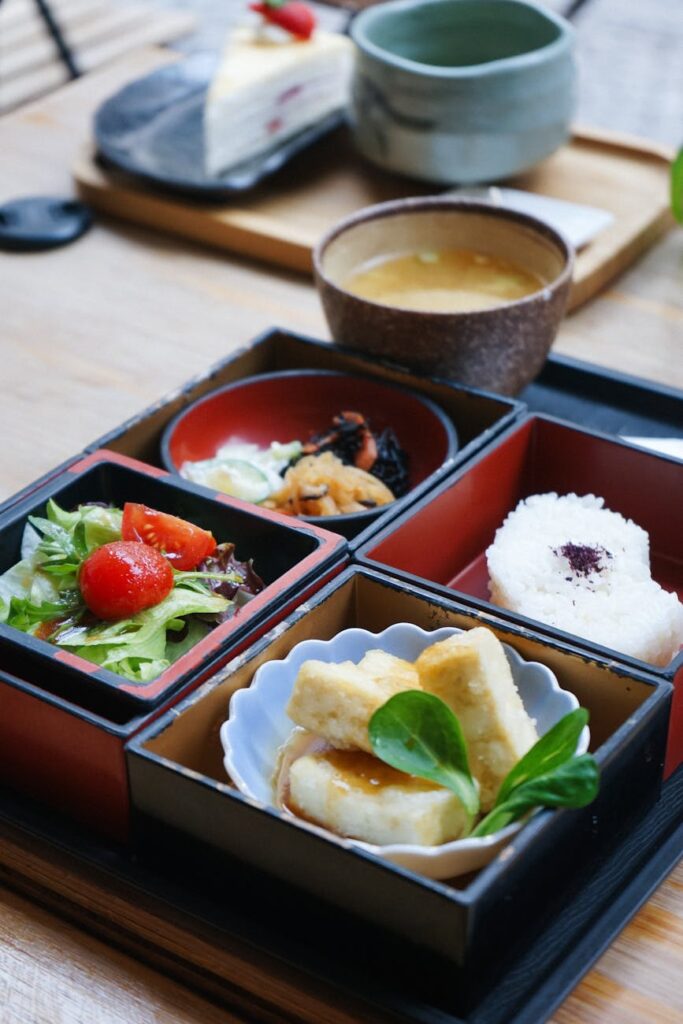
Why Is Miso Tofu So Expensive?
Introduction
Miso tofu, a harmonious blend of fermented soybean paste (miso) and tofu, has garnered attention for its unique flavor profile and nutritional benefits. As gourmet ingredients gain popularity globally, the cost of miso tofu often raises eyebrows. Understanding the factors contributing to its price is essential for both consumers and culinary enthusiasts alike. This article delves into the intricate world of miso tofu, exploring its history, production, quality, and various applications.
What Is Miso Tofu?
Miso tofu is a product that combines the rich umami flavors of miso—a fermented soybean paste—with the delicate texture of tofu. Miso, which can be made from different types of soybeans and grains, offers a spectrum of flavors from sweet to savory, while tofu serves as a versatile base that absorbs flavors well. The combination of these two ingredients results in a product that is not only flavorful but also high in protein and probiotics, making it a valuable addition to various dishes ranging from soups to salads.
History and Origins
The origins of miso date back over a thousand years to ancient China, where it was initially used as a condiment. The practice of fermentation gradually spread to Japan, where it evolved into a staple ingredient in many traditional dishes. Tofu, on the other hand, is believed to have been invented in China during the Han dynasty and made its way to Japan around the 7th century. The fusion of these two ingredients in Japanese cuisine has led to the creation of miso tofu, which reflects the culinary traditions of both cultures.
Historically, miso was used not just for flavor but also as a food preservation method. It was a means of ensuring sustenance during harsh winters. The combination with tofu added nutritional value, making it an important part of the Japanese diet, especially among Buddhist monks who adhered to vegetarianism. Today, miso tofu is appreciated worldwide, but it retains its roots in Japanese culinary practices.
Production and Processing
The production of miso tofu involves several meticulous steps. The first stage is the preparation of miso, which requires soaking soybeans, cooking them, and then fermenting them with a specific type of mold called koji. The fermentation process can take anywhere from a few months to several years, depending on the desired flavor and texture.
Tofu is produced by coagulating soy milk, creating a curd that is then pressed into blocks. The quality of the soybeans used for tofu directly influences the final product. High-quality, organic soybeans are often selected to ensure that the tofu has a rich flavor and creamy texture.
Once both components are prepared, they are combined in specific ratios, and additional ingredients such as spices or herbs may be added. The final product is then packaged and distributed. The labor-intensive nature of this production process contributes significantly to the overall cost of miso tofu.
Quality and Grading
The quality of miso tofu can vary considerably, influenced by the ingredients used and the methods of production. Premium miso tofu is often made with organic, non-GMO soybeans and traditional fermentation techniques. The grading of miso can depend on factors such as color, texture, flavor, and aroma. Light-colored miso, for example, usually has a milder flavor, while darker miso tends to be bolder and saltier.
Consumers seeking high-quality miso tofu should pay attention to labels that indicate the source of the soybeans and the fermentation process used. Artisan producers often emphasize traditional methods, ensuring a richer flavor and superior texture. This level of quality assurance often commands a higher price point.
Buying Considerations
When purchasing miso tofu, several factors should be considered to ensure that you are investing in a quality product.
1. Source: Look for brands that source their soybeans from reputable farms, ideally organic and non-GMO.
2. Fermentation Time: Longer fermentation often leads to a more complex flavor profile. Information regarding fermentation duration is usually found on the packaging.
3. Texture: Premium miso tofu should have a smooth texture that isn’t overly crumbly.
4. Ingredients: Check for additives or preservatives; quality miso tofu generally has fewer ingredients, focusing on natural components.
5. Brand Reputation: Research brands that have a history of producing high-quality miso and tofu products.
6. Price: While higher prices can be associated with quality, it is essential to balance cost with the factors mentioned above.
Uses and Applications
Miso tofu is incredibly versatile and can be used across a wide range of culinary applications. Its rich umami flavor enhances soups, stews, and sauces, while its creamy texture makes it an excellent base for dips and spreads. It can also be sautéed, grilled, or used in salads, adding depth to both vegetarian and non-vegetarian dishes.
In addition to savory applications, some innovative chefs and home cooks have begun to explore sweet uses for miso tofu, incorporating it into desserts like cakes and puddings to add a unique depth of flavor. This adaptability makes miso tofu a valuable ingredient for both traditional and contemporary culinary practices.
Storage and Shelf Life
Proper storage is crucial for maintaining the quality of miso tofu. It is best stored in the refrigerator, ideally in an airtight container to prevent moisture loss and contamination. When kept at the right temperature, miso tofu can last for several weeks.
However, like many fermented products, miso tofu can develop off-flavors if stored for extended periods. It is generally advisable to consume it within a few weeks of purchase for optimal flavor and texture. Always check for any signs of spoilage, such as an off smell or unusual texture, before use.
Common Misconceptions
1. Miso Tofu Is Just Regular Tofu:
Many believe miso tofu is simply tofu with miso added. In reality, the fermentation process and the quality of the ingredients used create a distinct product that offers unique flavors and nutritional benefits.
2. All Miso Tofu Is Vegan:
While miso tofu is typically plant-based, some varieties may contain animal-derived ingredients, particularly in processed forms. Always read labels to confirm.
3. Miso Tofu Is Unhealthy:
On the contrary, miso tofu is often celebrated for its nutritional value, being high in protein and probiotics, and can be part of a balanced diet.
4. Miso Is Only for Asian Cuisine:
The rich umami of miso tofu allows it to be utilized in various culinary traditions beyond Asian cuisine, making it a versatile ingredient.
5. Miso Tofu Has a Long Shelf Life:
While fermentation does enhance shelf-life, miso tofu is still perishable and should be consumed within a reasonable timeframe.
Frequently Asked Questions
1. Why is miso tofu more expensive than regular tofu?
The higher cost of miso tofu is attributed to the labor-intensive fermentation process of miso and the quality of the ingredients used.
2. Can I make miso tofu at home?
While it is possible to make miso and tofu at home, the process requires skill, time, and specific ingredients. Many prefer to purchase it from reputable producers.
3. How can I tell if miso tofu is still good?
Check for an off smell, changes in texture, or discoloration. If the product looks and smells normal, it’s likely safe to consume.
4. Is miso tofu gluten-free?
Most traditional miso is gluten-free, but some varieties may contain barley or other grains. Always check the label for gluten-free certification.
5. Can I freeze miso tofu?
Freezing can alter the texture of miso tofu, making it less desirable for certain applications. It’s best to store it in the refrigerator to maintain quality.
6. What dishes can I use miso tofu in?
Miso tofu can be used in soups, salads, dips, marinades, and even desserts, showcasing its versatility in both savory and sweet dishes.
In conclusion, the cost of miso tofu is a reflection of its rich history, intricate production process, and the quality of the ingredients involved. By understanding these factors, consumers can appreciate the value of this unique ingredient and incorporate it thoughtfully into their culinary repertoire.