
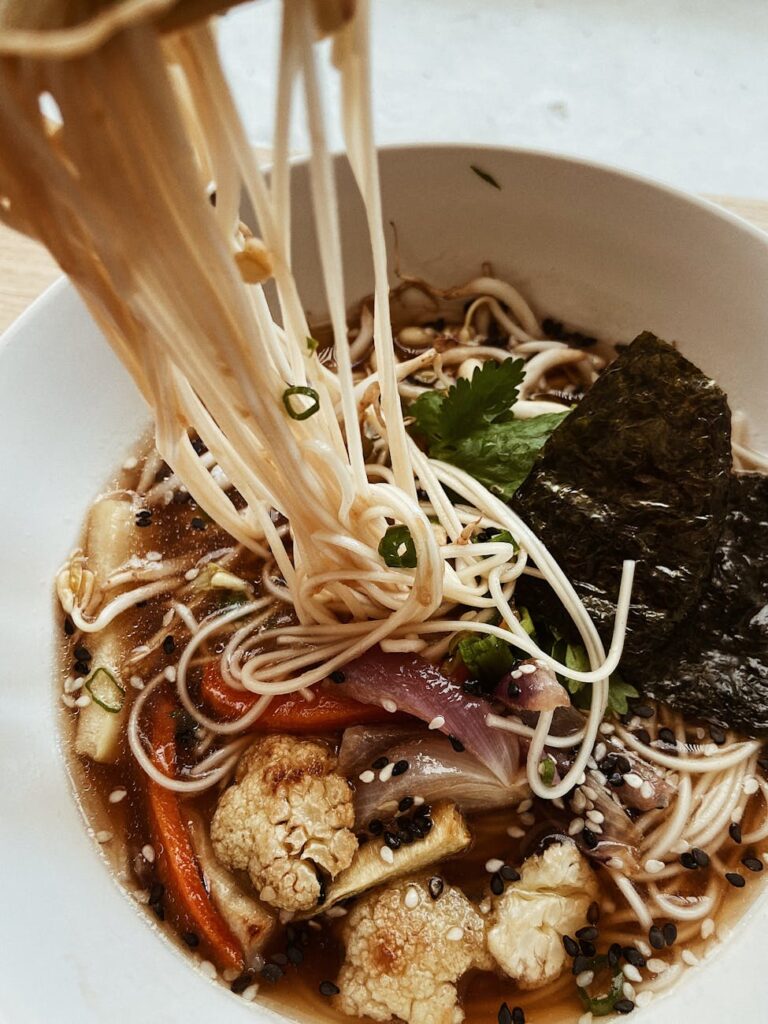
Why Is Nori So Expensive?
Introduction
Nori, the seaweed that has become synonymous with sushi and various Asian cuisines, has garnered a reputation not only for its unique flavor and texture but also for its high price point. While it has transitioned from a niche ingredient to a globally recognized staple, many consumers remain puzzled by the cost associated with this seemingly simple food item. This article delves into the multifaceted reasons behind the expense of nori, exploring its history, production processes, and market dynamics.
What Is Nori?
Nori is a type of edible seaweed, primarily harvested from the genus Porphyra. It is typically dried into thin sheets and is most commonly associated with sushi, where it serves as a wrap for rice and various fillings. Nori is rich in nutrients, including vitamins A, B, and C, as well as essential minerals like iodine and calcium. Its flavor is often described as umami, providing a savory depth that enhances many dishes.
The cultivation and processing of nori involve meticulous methods that significantly contribute to its overall cost.
History and Origins
Nori has a long and storied history, with evidence of its consumption dating back to ancient Japan. The earliest recorded usage of nori can be traced to the 8th century, where it was mentioned in historical texts. Initially, nori was harvested from the wild, but over time, cultivation methods were developed.
In the 17th century, the Edo period marked a turning point in nori production as farmers began to cultivate it in coastal waters. The development of commercial nori farming began in the 20th century, particularly in Japan, and has since expanded to other regions, including Korea and China. Today, nori is an integral part of Japanese culinary heritage and is often associated with cultural practices and rituals.
Production and Processing
The production of nori is labor-intensive and requires specific environmental conditions to ensure quality. Nori is cultivated in shallow coastal waters, where it can benefit from the right balance of sunlight, nutrients, and temperature.
Cultivation
Nori cultivation typically occurs on floating nets or ropes suspended in the ocean. The growth cycle of nori usually lasts about 45 to 60 days, depending on environmental factors. Farmers must monitor the seaweed closely, as optimal growth conditions can be affected by changes in water temperature and pollution levels.
Harvesting
Once harvested, nori undergoes a rigorous processing phase. The seaweed is washed to remove any impurities and then cut into sheets. These sheets are then carefully dried, often using a combination of natural sunlight and mechanical drying methods. This step is crucial, as improper drying can lead to loss of flavor and nutritional value.
Quality Control
Quality control plays a vital role in nori production. Farmers and processors must adhere to strict standards to ensure that the final product meets consumer expectations. This includes assessing the color, texture, and flavor of the nori. High-quality nori is typically darker and has a shinier surface, indicating a well-managed production process.
Quality and Grading
The quality of nori is categorized into different grades, which can greatly influence its price. Premium grades of nori are more expensive due to their superior flavor and texture. The grading system generally includes the following categories:
- Sushi Nori: This is the highest quality and is used for sushi rolls. It has a vibrant color and a pleasant taste.
- Yaki Nori: Commonly used for snacks and soups, this grade may not be as visually appealing as sushi nori but still offers good flavor.
- A, B, C Grades: These lower grades are often used for industrial purposes or as ingredients in other products, such as seasonings.
- Quality: Higher-quality nori typically costs more. Look for products labeled as “premium” or “sushi nori” for the best quality.
- Origin: Nori from Japan is often considered superior, and the region from which it is sourced can influence price.
- Packaging: Vacuum-sealed or airtight packaging can extend shelf life and may come at a higher price point.
- Sustainability: Organic or sustainably farmed nori may command higher prices due to the eco-friendly practices involved in its production.
- Sushi Rolls: The most common use, where nori wraps sushi rice and fillings.
- Snacks: Nori can be seasoned and roasted to create healthy snacks.
- Soups: Nori is often added to miso soup and other broths for added flavor.
- Salads: Crumbled nori can enhance the umami profile of salads.
- Seasoning: Ground nori is used in various seasonings and condiments.
- Cool, Dry Place: Store nori in a cool, dry environment away from direct sunlight to prevent moisture absorption and degradation.
- Airtight Containers: Once opened, nori should be kept in airtight containers to maintain its crispness.
- Avoid Humidity: Excess humidity can lead to wilting and spoilage.
The grading process involves sensory evaluation and laboratory tests to ensure that the nori meets specific standards. Higher grades command premium prices due to their limited availability and superior characteristics.
Buying Considerations
When purchasing nori, consumers should consider several factors that contribute to its price:
Understanding these factors can help consumers make informed choices when selecting nori.
Uses and Applications
Nori is not just a sushi ingredient; its versatility extends to various culinary applications. Here are some popular uses:
The wide range of applications further emphasizes the value of high-quality nori in culinary practices.
Storage and Shelf Life
Proper storage is critical for maintaining the quality of nori. When stored correctly, nori can last for several months, but improper storage can lead to a loss of flavor and texture.
Best Practices
Following these storage guidelines can ensure that nori retains its quality for an extended period.
Common Misconceptions
Several misconceptions surround nori that can mislead consumers regarding its quality and value:
Nori Is Just Seaweed
While nori is indeed a type of seaweed, its extensive cultivation and processing render it unique. The flavor, texture, and nutritional profile of nori differentiate it from other types of seaweed.
All Nori Is the Same
Not all nori is created equal. Factors such as origin, grading, and processing methods significantly impact quality and price.
Nori Is Cheap and Easily Available
While some lower-grade nori may be inexpensive, high-quality nori is not easily produced or harvested, leading to higher prices in the market.
Frequently Asked Questions
1. What factors affect the price of nori?
The price of nori is influenced by its quality, grading, origin, and market demand, all of which contribute to its overall cost.
2. How can I tell if nori is of high quality?
High-quality nori typically has a dark color, glossy appearance, and pleasant aroma. It should also be crisp and free from any off-flavors.
3. Is there a difference between sushi nori and regular nori?
Yes, sushi nori is a higher grade known for its superior flavor and texture, while regular nori may be of lower quality and used for different applications.
4. Can I use nori past its expiration date?
While nori may still be safe to eat after its expiration date, its flavor and texture may have deteriorated. Always check for signs of spoilage, such as a stale taste or loss of crispness.
5. Where can I buy high-quality nori?
High-quality nori can be found in specialty Asian grocery stores, online retailers, or gourmet food shops. Look for brands that specify their grading and origin.
6. How should I store nori to maintain its freshness?
Store nori in a cool, dry place in an airtight container, away from humidity and direct sunlight, to preserve its flavor and texture.
Conclusion
Understanding the complexities involved in nori production and the various factors influencing its price helps consumers appreciate this unique ingredient. From its rich history to meticulous cultivation processes, nori’s journey to the consumer’s table is as intricate as its flavor profile. As nori continues to gain popularity worldwide, recognizing its value becomes essential for both culinary enthusiasts and casual consumers alike.