
Why Is Parsnip So Expensive?
Introduction
Parsnips, with their sweet, nutty flavor and creamy texture, have been a staple in various cuisines for centuries. This root vegetable, closely related to carrots and parsley, has garnered increasing attention in recent years, leading to a noticeable rise in its market price. Understanding the factors contributing to the cost of parsnips is essential not only for consumers but also for culinary professionals, farmers, and food enthusiasts. This article delves into the multifaceted aspects of parsnips, including their history, production, quality grading, and more, to elucidate why parsnips can command a high price in the marketplace.
What Is Parsnip?
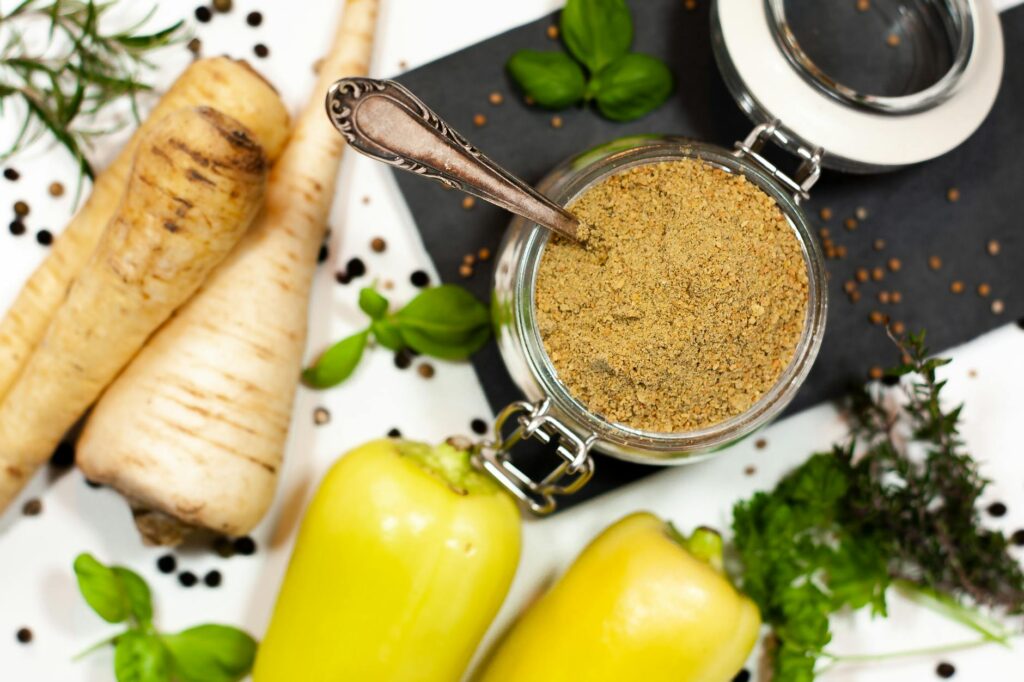
Parsnip (Pastinaca sativa) is a biennial plant in the Apiaceae family, characterized by its long, creamy white root. It resembles a carrot but is typically thicker and has a more robust flavor. Parsnips are cultivated primarily for their edible taproots, which are harvested in the fall and winter months, particularly after the first frost when their starches convert to sugars, enhancing their sweetness. This versatile vegetable can be enjoyed in a variety of culinary preparations, from soups and stews to purees and roasted dishes.
History and Origins
Parsnips have a rich history that dates back to ancient times. Native to Eurasia, they were a staple food in the Roman Empire before the introduction of the potato. The Greeks and Romans prized parsnips for their nutritional value and flavor, often using them in medicinal potions. Over the centuries, the vegetable spread across Europe, becoming especially popular in the UK, where it was a key food source during the Middle Ages.
The cultivation of parsnips declined with the rise of the potato in the late 18th century but saw a resurgence in the 20th century as chefs and home cooks rediscovered its unique flavor and culinary potential. Today, parsnips are cultivated in temperate regions around the world, including North America, Europe, and parts of Asia.
Production and Processing
The production of parsnips is labor-intensive and requires specific growing conditions. They thrive in well-drained, fertile soil with a pH level between 6.0 and 7.0. Parsnips are typically sown in early spring and harvested in late fall or early winter. The growing season can take up to six months, making them a long-term investment for farmers.
One of the significant factors contributing to the high price of parsnips is the labor involved in their cultivation and harvesting. Unlike some root vegetables that can be mechanically harvested, parsnips are often hand-harvested to avoid damaging the delicate roots. This labor-intensive process contributes to increased production costs, which are reflected in the retail price.
Post-harvest, parsnips require careful handling and storage to maintain their quality. They should be washed, trimmed, and stored in cool, dark conditions to prevent spoilage. Any mishandling during this stage can lead to rapid deterioration, further emphasizing the importance of quality control in the supply chain.
Quality and Grading
Quality and grading play a critical role in determining the price of parsnips. Various factors are evaluated, including size, shape, color, and the absence of blemishes or pests. Higher-grade parsnips, which are typically larger and more uniform in appearance, command a premium price due to their perceived quality and desirability.
In many markets, parsnips are graded into categories, such as Fancy, No. 1, and No. 2, with Fancy being the highest quality. The grading process is crucial for retailers and consumers alike, as it ensures that only the best parsnips reach the market. The attention to quality not only affects pricing but also influences consumer perception and demand.
Buying Considerations
When purchasing parsnips, several factors can impact their price. Seasonal availability is one of the most significant considerations; parsnips are typically more expensive in the spring and summer months when they are out of season. During the fall and winter, prices may decrease as fresh crops become available.
Additionally, sourcing is vital. Organic parsnips, which are grown without synthetic pesticides or fertilizers, usually carry a higher price tag due to the additional costs associated with organic farming practices. Local or regional sourcing can also affect pricing; parsnips grown closer to the consumer may be less expensive than those transported long distances.
Shoppers should look for firm, unblemished roots that are free from soft spots or signs of decay. Larger parsnips may be more appealing visually but can sometimes be woody or fibrous in texture. Smaller, younger parsnips are often sweeter and more tender, making them a popular choice among chefs and home cooks.
Uses and Applications
Parsnips are incredibly versatile in the kitchen. They can be roasted, mashed, pureed, or incorporated into soups and stews. Their natural sweetness makes them an excellent addition to both savory and sweet dishes. For example, parsnip puree is often used as a sophisticated side dish, while roasted parsnips can complement proteins like chicken and pork beautifully.
Beyond traditional cooking methods, parsnips are also a favorite among food innovators. Chefs are experimenting with parsnip chips, parsnip-based sauces, and even parsnip flour for gluten-free baking. Their unique flavor profile and textural qualities make them an appealing ingredient for culinary creativity.
In addition to their culinary uses, parsnips are easily incorporated into various dietary preferences, including vegan and vegetarian diets. As the trend toward plant-based eating continues to grow, the demand for parsnips may rise, further impacting their market price.
Storage and Shelf Life
Proper storage is essential to maintain the quality and longevity of parsnips. When stored correctly, they can last several weeks, making them a practical choice for both home cooks and commercial kitchens