
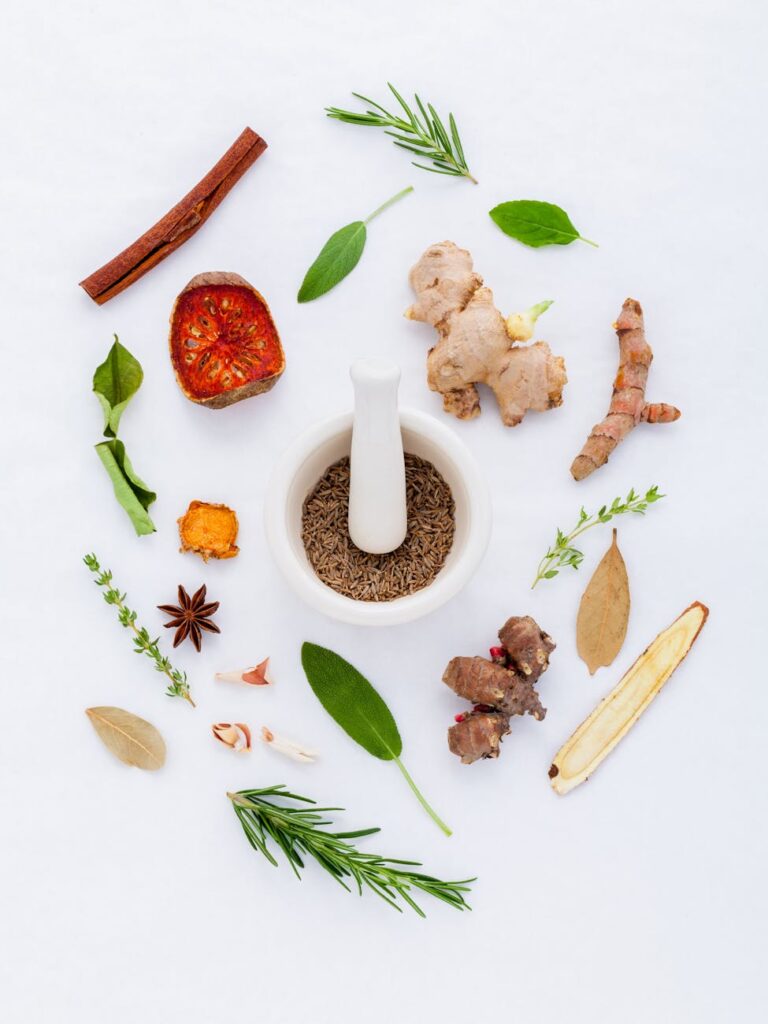
Why Is Rosemary So Expensive?
Introduction
Rosemary (Rosmarinus officinalis) is a revered herb in culinary traditions around the world, known for its aromatic leaves and distinctive flavor. However, consumers often find themselves astonished at the price tag attached to fresh rosemary and its dried counterparts. This article delves into the multifaceted reasons behind the cost of rosemary, exploring its history, production, quality considerations, and more.
What Is About?
Rosemary is a perennial herb native to the Mediterranean region, characterized by its needle-like leaves and woody stems. It belongs to the Lamiaceae family, which includes other well-known herbs such as mint, basil, and thyme. Rosemary is celebrated not only for its culinary uses but also for its aromatic properties and potential health benefits.
The herb can be found in various forms, including fresh, dried, and as an essential oil, each with its own unique cost structure due to factors such as production methods and market demand.
History and Origins
The history of rosemary is rich and storied, dating back thousands of years. It has been associated with various cultures and traditions, often symbolizing remembrance and fidelity. Ancient Greeks and Romans used rosemary in their rituals and as a culinary spice, believing it had protective properties.
In medieval Europe, rosemary was often planted in gardens and used in cooking and medicinal preparations. Its journey to global prominence can be traced through trade routes and colonial expansion, where it was introduced to the Americas and other regions.
The cultivation of rosemary has evolved over time, with an increasing focus on sustainable practices in modern agriculture. However, the historical significance and traditional cultivation methods still influence its current market value.
Production and Processing
The production of rosemary is labor-intensive, contributing significantly to its cost. Rosemary thrives in well-drained soil and requires specific growing conditions, including adequate sunlight and moderate watering. These requirements make large-scale cultivation challenging, especially in regions that do not naturally support the herb.
Harvesting rosemary typically involves hand-picking, which ensures the quality of the leaves but adds to labor costs. The leaves must be carefully handled to prevent bruising and loss of essential oils, further complicating the harvesting process.
Once harvested, rosemary must be processed promptly to preserve its aromatic qualities. This can involve drying, which requires careful temperature control to maintain flavor and potency. The entire production process—from planting to packaging—demands a significant investment in time and resources, ultimately reflected in the final price.
Quality and Grading
The quality of rosemary can vary significantly based on several factors, including growing conditions, harvesting practices, and post-harvest processing. High-quality rosemary is characterized by vibrant green leaves, a strong aroma, and robust flavor.
Grading systems often categorize rosemary based on these quality indicators. Premium grades command higher prices due to their superior flavor profiles and aromatic qualities. Factors such as organic certification can also influence price, as organic cultivation often involves stricter regulations and more labor-intensive practices.
Additionally, the essential oil extracted from rosemary is valued for its potency and aromatic properties. The extraction process is meticulous and requires specialized equipment, further adding to the overall cost of high-quality rosemary products.
Buying Considerations
When purchasing rosemary, consumers should consider several factors that can influence cost. Fresh rosemary tends to be more expensive than dried varieties due to its perishable nature and the labor required for harvesting. Organic rosemary usually carries a premium price tag, reflecting the additional costs associated with organic farming practices.
Buying in bulk can sometimes yield savings, especially for commercial kitchens or serious home cooks. However, consumers should be cautious and ensure that the rosemary is stored properly to maintain its quality.
For those seeking specific flavor profiles, it may be beneficial to explore different varieties of rosemary, such as ‘Tuscan Blue’ or ‘Arp.’ These may vary in taste and aroma, potentially affecting the price based on their rarity and cultivation challenges.
Uses and Applications
Rosemary’s culinary applications are vast, ranging from seasoning meats and vegetables to infusing oils and vinegars. Its strong, pine-like flavor pairs well with various dishes, making it a favorite in Mediterranean cuisine and beyond.
Beyond the kitchen, rosemary is utilized in aromatherapy and natural perfumery, where its essential oil is celebrated for its invigorating and clarifying properties. The herb is also featured in herbal teas and infusions, adding to its appeal as a versatile ingredient.
In addition to its culinary and aromatic uses, rosemary has found a place in traditional practices and folklore, often associated with memory and remembrance. Such cultural significance can further enhance its perceived value in various contexts.
Storage and Shelf Life
The storage of rosemary significantly impacts its longevity and flavor retention. Fresh rosemary should be stored in a cool, dry place, ideally in the refrigerator, where it can last for about one to two weeks. Alternatively, it can be placed in a glass of water like a bouquet, which can extend its freshness.
Dried rosemary, on the other hand, has a longer shelf life but should be kept in an airtight container away from direct sunlight and moisture. Under optimal conditions, dried rosemary can retain its flavor for up to three years, though it is best used within the first year for maximum potency.
For those looking to preserve rosemary for extended periods, freezing is an option. Finely chopped rosemary can be placed in ice cube trays with water or oil, allowing for easy portion control and long-lasting flavor.
Common Misconceptions
One common misconception is that all rosemary varieties are the same in terms of flavor and aroma. In reality, different varieties possess distinct characteristics that can influence their culinary applications.
Another misunderstanding is regarding the price comparison between fresh and dried rosemary. Many consumers assume that dried herbs are always less expensive; however, the quality, origin, and processing methods can lead to higher prices for premium dried rosemary.
Finally, there is a belief that rosemary’s price is simply a reflection of its status as a gourmet ingredient. While demand plays a role, the labor-intensive production and quality factors significantly contribute to its cost.
Frequently Asked Questions
1. Why is fresh rosemary more expensive than dried rosemary?
Fresh rosemary is more costly due to its perishable nature, shorter shelf life, and the labor required for harvesting. Dried rosemary, while still valuable, has a longer shelf life and can be produced in larger quantities, often leading to lower prices.
2. How can I tell if rosemary is fresh?
Fresh rosemary should have vibrant green leaves that are fragrant and resilient. If the leaves appear dry, discolored, or wilted, it may indicate that the herb is past its prime.
3. What factors affect the price of organic rosemary?
The price of organic rosemary is influenced by stricter farming practices, certification costs, and often lower yields compared to conventional farming methods. These factors contribute to a higher retail price.
4. Can I grow my own rosemary to save money?
Growing your own rosemary can be a cost-effective option, especially if you frequently use the herb. It requires minimal care and can thrive in containers or garden beds, making it accessible for home gardeners.
5. How should I store dried rosemary to maintain its flavor?
To maintain the flavor of dried rosemary, store it in an airtight container in a cool, dark place, away from moisture. This can help preserve its potency for up to three years.
6. Does the variety of rosemary affect its price?
Yes, different varieties of rosemary can vary in taste, aroma, and availability, leading to differences in price. Rare or specialty varieties may command a premium due to their unique characteristics and cultivation challenges.
Conclusion
The price of rosemary is shaped by a complex interplay of historical significance, labor-intensive production, quality grading, and market demand. Understanding these factors can provide valuable insights into why this beloved herb often comes with a higher price tag. Whether used in the kitchen, as part of a wellness routine, or for its cultural symbolism, rosemary remains a cherished ingredient that justifies its cost through its multifaceted applications and rich heritage.