
Why Is Sea Urchin So Expensive?
Introduction
Sea urchin, a delicacy revered in culinary circles worldwide, is often met with a gasp at its price tag. Known for its rich, buttery flavor and unique texture, sea urchin is sought after in gourmet restaurants and sushi bars alike. However, the question arises: why is this marine delicacy so expensive? To understand the high cost associated with sea urchin, we must explore various factors including its history, production process, quality grading, and culinary applications.
What Is Sea Urchin?
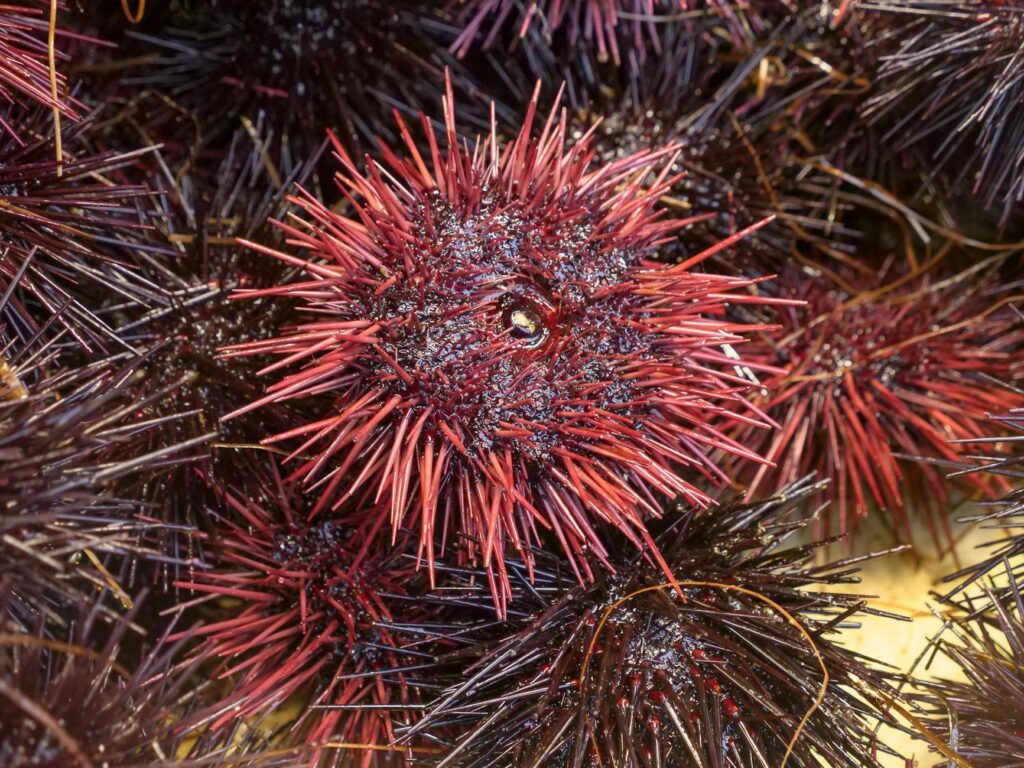
Sea urchins are spiny, globular sea creatures found in oceans around the world. Belonging to the class Echinoidea, they are characterized by their hard shells, known as tests, which are covered in spines. The edible part of the sea urchin, commonly referred to as “uni,” consists of its gonads, which are prized for their unique flavor profile. Uni is rich in umami, with a creamy texture that has earned it a place in sophisticated dishes across various cuisines, particularly in Japanese, Mediterranean, and coastal seafood traditions.
History and Origins
The consumption of sea urchins dates back thousands of years, with evidence suggesting that ancient civilizations, including the Aztecs and indigenous peoples of the Pacific Northwest, enjoyed them as a food source. In Japan, sea urchin has been a traditional delicacy for centuries, often featured in sushi and sashimi. The first documented use of uni in Japanese cuisine can be traced back to the Edo period (1603-1868), where it was celebrated for both its flavor and nutritional value.
As global interest in seafood has expanded, sea urchin has transitioned from a local specialty to an international commodity. However, this increased demand has also put pressure on sustainable fishing practices, leading to a complex balance between supply and ecological impact.
Production and Processing
The journey from ocean to plate is intricate and labor-intensive, significantly contributing to the cost of sea urchin. Harvesting sea urchins typically involves divers who meticulously collect them from rocky underwater environments, often at depths that require specialized training and equipment.
Following harvest, sea urchins must be processed quickly to preserve their delicate flavor and texture. The processing involves carefully opening the shells and extracting the gonads while ensuring minimal damage. This process is labor-intensive, requiring skilled hands and often taking place in facilities where stringent hygiene standards are maintained.
Due to their perishable nature, sea urchins are often shipped live or processed immediately and packaged for sale. The time-sensitive nature of sea urchin processing adds another layer of complexity and cost to the supply chain.
Quality and Grading
The quality of sea urchin can vary significantly, influenced by factors such as species, habitat, diet, and the time of year it’s harvested. The most prized varieties include the Japanese purple sea urchin (Paracentrotus lividus) and the red sea urchin (Strongylocentrotus franciscanus), both of which are known for their rich flavor and creamy texture.
Quality grading for sea urchin typically considers several factors, including color, flavor, texture, and size. High-quality uni is characterized by a bright, vibrant color, often ranging from golden yellow to deep orange, and should have a sweet, briny flavor. The texture should be smooth and creamy, without any bitterness or unpleasant aftertaste.
Due to these stringent quality standards and the limited supply of high-grade sea urchin, prices can escalate rapidly, especially for premium products.
Buying Considerations
When purchasing sea urchin, there are several considerations to keep in mind to ensure you are getting the best quality for your investment.
1. Source: Knowing the origin of your sea urchin can help you assess its quality. Look for reputable suppliers or brands that provide information about their sourcing practices and sustainability efforts.
2. Freshness: Freshness is crucial when it comes to sea urchin. Always check for the harvest date, and when possible, buy from suppliers who offer live or freshly processed uni.
3. Color and Texture: As mentioned, high-quality uni should exhibit vibrant colors and a smooth texture. Avoid products that appear dull or grainy, as these may indicate lower quality.
4. Sustainability: Given the ecological concerns surrounding the harvesting of sea urchins, consider purchasing from suppliers who adhere to sustainable fishing practices, ensuring that their products are harvested responsibly.
5. Packaging: Pay attention to the packaging. Vacuum-sealed or properly refrigerated uni will typically maintain its quality longer than those that are inadequately packaged.
Uses and Applications
Sea urchin is a versatile ingredient that can be enjoyed in a variety of culinary applications. In Japanese cuisine, it is commonly served as sushi or sashimi, often accompanied by soy sauce or wasabi to enhance its flavor. Beyond sushi, sea urchin can be incorporated into pasta dishes, risottos, and sauces, where its creamy texture and briny flavor add depth and richness.
In Mediterranean cuisine, sea urchin may be used in seafood stews or served as a topping for bruschetta. Chefs often experiment with sea urchin to create innovative dishes that highlight its unique characteristics, making it a favorite among culinary professionals.
Storage and Shelf Life
Given its perishable nature, proper storage is essential to maintain the quality of sea urchin. If you have purchased live sea urchins, they should be kept in a cool, damp environment, ideally in a refrigerator. They can last up to a week if stored correctly.
For processed uni, refrigeration is crucial. Unopened containers of processed sea urchin can typically be stored in the refrigerator for up to a week. Once opened, it is advisable to consume the uni within two days for optimal freshness. Freezing is an option for extending shelf life, but it may alter the texture and flavor, so this should be done with caution.
Common Misconceptions
Despite its popularity, there are several misconceptions surrounding sea urchin:
1. Taste: Many people assume that sea urchin has a strong fishy flavor. In reality, high-quality uni has a subtle, sweet brininess that is often described as buttery and creamy.
2. Availability: Some believe that sea urchin is readily available year-round, but its availability is seasonal and can vary based on local harvesting regulations and environmental conditions.
3. Sustainability: There is a misconception that all sea urchin harvesting is unsustainable. While some practices can indeed be harmful, many suppliers are committed to sustainable harvesting methods that protect marine ecosystems.
4. Preparation: A common myth is that sea urchin must be cooked before consumption. However, uni is often enjoyed raw and is celebrated for its fresh flavor when served uncooked.
5. Nutritional Value: Many people assume sea urchin is low in nutritional value. In fact, it is a source of various vitamins and minerals, including Omega-3 fatty acids, albeit this is not the primary reason for its culinary popularity.
Frequently Asked Questions
1. What is the best way to eat sea urchin?
The best way to enjoy sea urchin is raw, often served as sushi or sashimi. It can also be paired with simple accompaniments like soy sauce or lemon juice to enhance its flavor.
2. How long can sea urchin be stored?
Fresh sea urchin can be stored in the refrigerator for up to a week if kept live. Processed uni should be consumed within two days of opening, although unopened packages can last up to a week in the fridge.
3. Why is sea urchin so expensive?
The high cost of sea urchin is due to its labor-intensive harvesting process, limited supply, stringent quality grading, and the delicacy’s perishable nature, all contributing to its premium price.
4. Are all sea urchins edible?
Not all sea urchin species are edible. Only certain types are harvested for consumption, with the most popular being the purple and red sea urchins.
5. Can I buy frozen sea urchin?
Yes, frozen sea urchin is available, but it is essential to note that freezing may alter its texture and flavor, so fresh sea urchin is generally preferred.
6. What should I look for when buying sea urchin?
Look for vibrant color, a smooth texture, and reputable sourcing. Always check the harvest date and consider sustainability practices when selecting your sea urchin.
Conclusion
The allure of sea urchin lies not just in its unique flavor and texture but also in the intricate processes that bring it to our tables. From its rich historical roots to its contemporary culinary applications, sea urchin remains a prized delicacy that commands a high price. Understanding the factors that contribute to its cost can enhance our appreciation of this extraordinary ingredient, allowing us to savor it not just for its taste, but also for the skill and care involved in its production.