
Why Is Sweet Potato So Expensive?
Introduction
Sweet potatoes have gained immense popularity in recent years, celebrated for their unique flavor, vibrant color, and nutritional benefits. However, alongside their rise in culinary prominence, many consumers have noticed a significant increase in their price. This article delves into the multifaceted reasons behind the high cost of sweet potatoes, exploring everything from their historical significance to production methods, market dynamics, and common misconceptions.
What Is About?
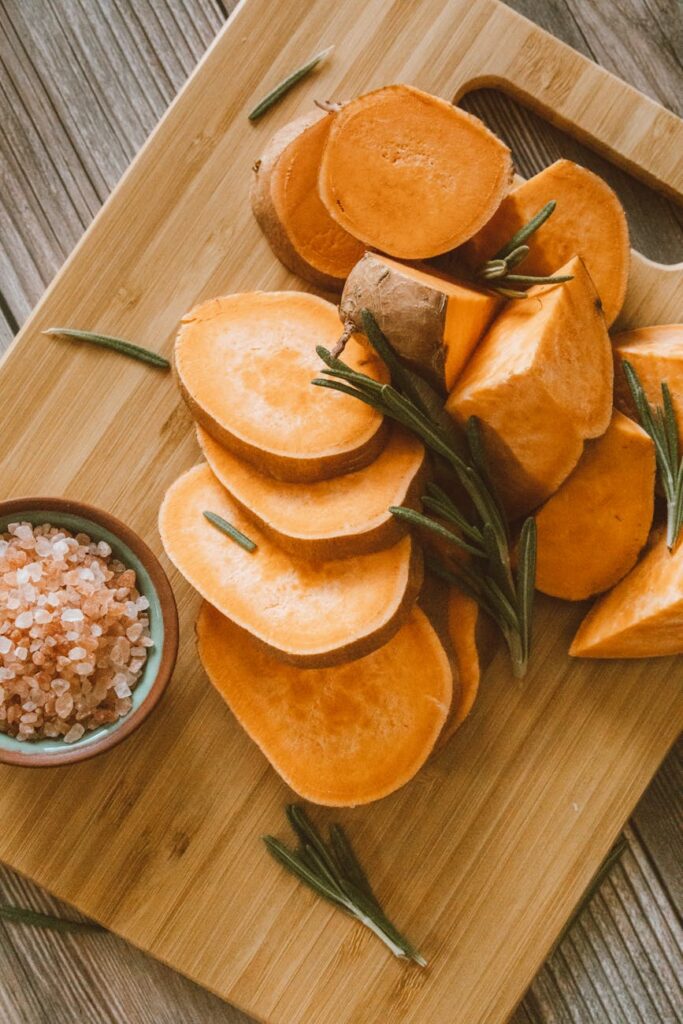
Sweet potatoes, scientifically known as Ipomoea batatas, are tuberous roots belonging to the morning glory family. They are characterized by their sweet flavor, starchy texture, and various flesh colors, ranging from orange and yellow to purple. Sweet potatoes are often confused with yams, but they are botanically distinct. Their versatility makes them a staple in numerous cuisines worldwide, from savory dishes to desserts.
History and Origins
The history of sweet potatoes dates back thousands of years. Their origins can be traced to Central and South America, where they were cultivated by indigenous peoples long before European contact. Archaeological evidence suggests that sweet potatoes were domesticated in Peru around 5000 BCE. They spread throughout the Americas and eventually reached Europe and Asia in the 16th century, facilitated by explorers and traders.
Today, sweet potatoes are cultivated in many parts of the world, with China being the largest producer, followed by countries like Nigeria, India, and the United States. The global trade of sweet potatoes has increased dramatically due to their rising popularity, leading to increased demand and, consequently, higher prices.
Production and Processing
The production of sweet potatoes involves a complex interplay of agricultural practices, climate, and economic factors. Sweet potatoes thrive in warm climates with well-drained, sandy soils. They require a growing season of about 90 to 120 days, making them sensitive to frost and adverse weather conditions.
Agricultural Challenges
1. Pest and Disease Management: Sweet potatoes are susceptible to pests such as root-knot nematodes and diseases like Fusarium wilt. Farmers must employ integrated pest management strategies, which can be labor-intensive and costly.
2. Labor-Intensive Harvesting: Unlike many other crops, sweet potatoes are often harvested by hand, which requires significant labor resources. This labor intensity can drive up production costs, contributing to the final retail price.
3. Climate Change: Changing weather patterns and extreme weather events can impact crop yields, leading to fluctuations in supply. In areas where sweet potatoes are cultivated, droughts or excessive rainfall can adversely affect harvests, further driving prices higher.
Processing Techniques
Once harvested, sweet potatoes undergo various processing methods before reaching consumers. They may be washed, sorted, and packaged for retail. Processing methods can also include freezing, canning, or dehydrating, each requiring additional resources and adding to the overall cost.
Quality and Grading
Sweet potatoes are graded based on size, shape, color, and overall quality. The United States Department of Agriculture (USDA) has established grading standards that classify sweet potatoes into different categories:
- U.S. No. 1: These are high-quality sweet potatoes with a uniform shape and skin integrity.
- U.S. No. 2: These may have slight defects but are still suitable for consumption.
- Culls: These are not marketable due to physical defects or damage.
- Misconception 1: All Sweet Potatoes Are the Same: The reality is that there are numerous varieties of sweet potatoes, each with distinct flavors and textures. Varieties like Beauregard, Jewel, and Purple Sweet Potatoes differ in taste and culinary applications.
- Misconception 2: Higher Prices Mean Better Quality: While higher prices often correlate with better quality, this is not always the case. Market dynamics, availability, and production costs can lead to price increases that do not necessarily reflect quality.
- Misconception 3: Sweet Potatoes Are Always Expensive: Prices can vary widely based on seasonality and location. While they may seem expensive at times, they can be more affordable during peak harvest seasons.
Higher-grade sweet potatoes command a premium price, reflecting their superior quality. However, the grading process also means that imperfect sweet potatoes may be discarded, leading to waste and contributing to price increases for the remaining marketable produce.
Buying Considerations
When purchasing sweet potatoes, several factors can influence their price:
1. Seasonality: Sweet potatoes are typically in season from late summer through early winter. Prices may fluctuate based on supply and demand during these peak months.
2. Organic vs. Conventional: Organic sweet potatoes often come at a premium due to the costs associated with organic farming practices, including certification, pest management, and fertilizers.
3. Local vs. Imported: Locally sourced sweet potatoes may be more expensive than imported varieties due to transportation costs, but consumers often prioritize freshness and support for local farmers.
4. Market Trends: The rise of health-conscious eating habits has led to increased demand for sweet potatoes. As a result, market dynamics can shift quickly, affecting pricing.
Uses and Applications
The culinary versatility of sweet potatoes is one reason for their increasing demand. They can be roasted, mashed, baked, or used in soups and stews. Beyond traditional uses, sweet potatoes are finding their way into innovative products such as sweet potato flour, chips, and even beverages. This expanding range of applications contributes to their market value and, consequently, their price.
Storage and Shelf Life
Proper storage is crucial to maintaining the quality of sweet potatoes and minimizing waste. Ideally, sweet potatoes should be stored in a cool, dry, and dark place, as exposure to light can lead to sprouting. When stored correctly, they can last for several weeks to months. However, improper storage can result in spoilage, contributing to price fluctuations as retailers account for potential losses.
Common Misconceptions
Many misconceptions surround sweet potatoes and their pricing:
Frequently Asked Questions
1. Why are sweet potatoes more expensive than regular potatoes?
Sweet potatoes require different growing conditions and have a longer growing season. Additionally, their labor-intensive harvesting process and susceptibility to pests contribute to higher production costs.
2. Are organic sweet potatoes worth the extra cost?
Organic sweet potatoes are grown without synthetic pesticides or fertilizers, appealing to health-conscious consumers. The price difference reflects the increased costs of organic farming practices.
3. How can I tell if a sweet potato is fresh?
Fresh sweet potatoes should feel firm and have smooth skin without blemishes or soft spots. They should also be free from sprouting.
4. Do sweet potatoes have a long shelf life?
When stored in a cool, dark, and dry place, sweet potatoes can last from several weeks to months. However, exposure to moisture or light can lead to spoilage.
5. What are the most popular varieties of sweet potatoes?
Popular varieties include Beauregard, Jewel, and Purple Sweet Potatoes. Each variety has its unique flavor and culinary uses.
6. How does climate change affect sweet potato prices?
Climate change can lead to unpredictable weather patterns, impacting crop yields. Unfavorable conditions can result in lower supply, driving prices higher due to increased demand.
Conclusion
The price of sweet potatoes is influenced by a complex interplay of factors, including agricultural practices, market dynamics, and consumer preferences. As the demand for this nutritious and versatile ingredient continues to grow, understanding the underlying reasons for its cost can help consumers make informed purchasing decisions. Whether they are enjoyed in traditional dishes or innovative culinary creations, sweet potatoes remain a valuable and sought-after ingredient in kitchens around the globe.