
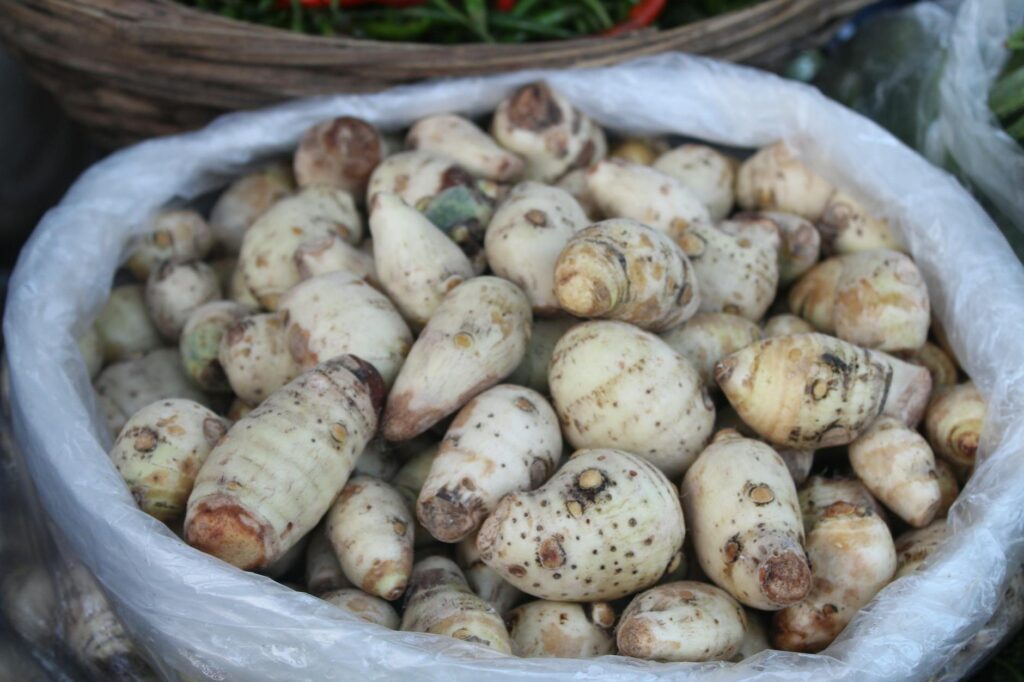
Why Is Taro So Expensive?
Introduction
Taro, a starchy root vegetable widely cultivated in tropical and subtropical regions, has garnered attention not only for its culinary versatility but also for its distinctive flavor and texture. While it may not be as mainstream as potatoes or yams, taro has earned its place as a prized ingredient in various cuisines around the globe. However, many consumers are often surprised to find that taro comes with a high price tag. This article explores the factors contributing to the expense of taro, from its history and production to its storage and common misconceptions.
What Is Taro?
Taro (Colocasia esculenta) is a perennial plant known for its large, heart-shaped leaves and starchy corms, which are the edible parts of the plant. The corms can vary in size, color, and texture but are commonly recognized for their brownish or purplish skin and white or lavender flesh. Taro is rich in carbohydrates, fiber, and essential vitamins and minerals, making it a nutritious staple in many diets.
The taste of taro is often described as nutty and earthy, with a creamy texture when cooked. It’s frequently used in both sweet and savory dishes, such as soups, stews, desserts, and snacks. Despite its numerous culinary applications, the price of taro can be surprisingly high, prompting a closer examination of its economic factors.
History and Origins
Taro is one of the oldest cultivated crops, with a history that can be traced back over 2,000 years. Its origins are believed to be in Southeast Asia or the Indian subcontinent, where it has been an integral part of agricultural systems for centuries. From these regions, taro spread to various parts of the world, including Polynesia, Africa, and the Caribbean.
In Polynesian cultures, taro holds significant cultural importance and is often referred to as “kalo.” It plays a vital role in traditional ceremonies and is considered sacred in many communities. The spread of taro cultivation was facilitated by early maritime navigation, as these communities recognized the crop’s resilience and adaptability.
As globalization took hold, taro found its way into markets and kitchens worldwide. Its unique flavor profile and nutritional benefits have contributed to its increased popularity, but the complexity of its supply chain has also led to higher prices.
Production and Processing
One of the primary reasons for the high cost of taro lies in its labor-intensive production and processing methods. Taro is typically grown in wet, marshy conditions, which require specific environmental conditions and careful management. The cultivation process often involves:
1. Land Preparation: Fields must be thoroughly prepared to create the right conditions for growth, which can be resource-intensive.
2. Planting: Taro is usually propagated from corms, which are planted in moist soil. This method requires meticulous attention to spacing and depth.
3. Maintenance: Frequent weeding, pest control, and irrigation are necessary to ensure healthy growth. Farmers often employ traditional methods to minimize environmental impact.
4. Harvesting: Taro is harvested by hand, often requiring skilled labor to avoid damaging the delicate corms.
Post-harvest processing is equally crucial. The corms must be cleaned, sorted, and sometimes peeled before reaching consumers. This multi-step process can add layers of cost, particularly when labor rates vary across regions. Furthermore, the global demand for taro can lead to supply constraints, further driving up prices.
Quality and Grading
Quality and grading significantly influence the price of taro. Like many agricultural products, taro is subject to grading based on factors such as size, shape, color, and the presence of defects. Higher-quality taro—characterized by a uniform size, smooth skin, and absence of blemishes—commands premium prices.
Grading standards can vary by market and region, and producers often aim for the highest quality to maximize profit. However, achieving consistent quality can be challenging due to variations in growing conditions and practices. Thus, the expense of taro can often be attributed to the rigorous standards that producers must meet to satisfy consumer expectations.
Buying Considerations
When purchasing taro, several factors can contribute to its cost. Consumers should consider:
1. Seasonality: Taro is typically harvested at specific times of the year, and prices may fluctuate based on seasonal availability. Off-season purchases may be particularly expensive due to import costs.
2. Source: Locally grown taro may be more affordable than imported varieties, which incur shipping and handling fees. Additionally, organic or sustainably grown taro often comes with a higher price tag due to the methods used in cultivation.
3. Market Variability: Prices can differ significantly between grocery stores, farmer’s markets, and specialty shops. Consumers are encouraged to shop around for the best value.
4. Quality: As previously mentioned, higher-quality taro will generally cost more. It is often worth investing in quality, especially if the ingredient will be a focal point of a dish.
Uses and Applications
Taro is incredibly versatile, finding its way into an array of culinary applications. In Asian cuisines, it is commonly used in dishes such as:
- Taros in Stews: Taro adds a nutty flavor and creamy texture to savory stews and soups.
- Desserts: In many cultures, taro is transformed into sweet dishes like taro bubble tea, ice cream, or cakes, where its natural sweetness complements other flavors.
- Fried Snacks: Taro chips and fritters are popular snacks, showcasing the tuber’s unique taste and texture.
Moreover, taro is often used as a substitute for potatoes or other starches in various recipes, appealing to those seeking gluten-free or low-glycemic options.
Storage and Shelf Life
The storage and shelf life of tar