
Zucchini Cultivation Explained
Introduction
Zucchini, also known as courgette in many parts of the world, is a versatile summer squash that has gained immense popularity due to its adaptability in various culinary applications and its ease of cultivation. This article delves into the intricacies of zucchini cultivation, exploring its history, production methods, grading standards, and storage techniques. A thorough understanding of these aspects will help both amateur gardeners and professional growers maximize their yield and quality of this delectable vegetable.
What Is Growing?
Growing, in the context of zucchini cultivation, refers to the process of planting, nurturing, and harvesting zucchini plants. This encompasses several key stages: seed selection, soil preparation, planting, watering, pest management, and harvesting. Each of these stages requires careful consideration to ensure that the plants thrive and produce high-quality fruit. Successful zucchini growing involves understanding the plant’s needs in terms of sunlight, water, and nutrients, as well as being aware of potential pests and diseases that can affect plant health.
History and Origins
Zucchini is believed to have originated in Mesoamerica, where early civilizations cultivated various forms of squash. The vegetable was later brought to Europe by Spanish explorers in the 16th century. Initially, the zucchini was cultivated primarily for its seeds and flowers, with the edible fruit gaining popularity over time. Italy played a significant role in the development of the zucchini as we know it today, as the Italians began cultivating it in the early 19th century. By the 20th century, zucchini had become a staple in many global cuisines, particularly in Mediterranean and North American dishes.
Production and Processing
Cultivation Techniques
Zucchini is typically grown as an annual crop, thriving in warm weather conditions. Here are the primary steps involved in its cultivation:
1. Soil Preparation: Zucchini prefers well-drained, nutrient-rich soils with a pH between 6.0 and 7.5. Before planting, it is advisable to amend the soil with organic matter, such as compost or well-rotted manure, to enhance fertility and drainage.
2. Seed Selection and Planting: Zucchini seeds can be sown directly into the ground or started indoors and transplanted later. The ideal planting time varies based on the climate, but typically occurs in late spring after the last frost. Seeds should be planted 1 inch deep and spaced 2-3 feet apart in rows.
3. Watering: Consistent watering is crucial for zucchini, especially during flowering and fruiting stages. It is essential to provide about 1 inch of water per week, either through rainfall or irrigation, ensuring that the soil remains moist but not waterlogged.
4. Fertilization: A balanced fertilizer can be applied to promote growth, particularly during the flowering stage. Organic options, such as fish emulsion or seaweed extract, are also beneficial.
5. Pest and Disease Management: Common pests, such as squash bugs and aphids, can threaten zucchini crops. Integrated Pest Management (IPM) techniques, including crop rotation, companion planting, and the use of beneficial insects, can help mitigate these threats. Fungal diseases, such as powdery mildew, can also occur, necessitating proper air circulation and timely removal of affected leaves.
Harvesting
Zucchini is typically ready for harvest within 50 to 70 days after planting, depending on the variety. The fruits should be harvested when they are 6 to 8 inches long for optimal flavor and tenderness. It is advisable to use a sharp knife or pruners to avoid damaging the plant. Regular harvesting encourages the plant to produce more fruit.
Quality and Grading
Grading zucchini involves assessing various quality parameters, including size, shape, color, and surface condition. High-quality zucchini should be firm, with a glossy skin and a vibrant green color. The United States Department of Agriculture (USDA) has established grading standards for zucchini, which categorize them into three primary grades: U.S. No. 1, U.S. No. 2, and U.S. No. 3.
- U.S. No. 1: This grade represents the highest quality zucchini, characterized by uniform size, no blemishes, and a firm texture.
- U.S. No. 2: Zucchini in this category may have slight imperfections in appearance but is still suitable for consumption.
- U.S. No. 3: This grade includes zucchini that may be overripe, misshapen, or have significant blemishes. While still edible, these are often used for processing rather than fresh consumption.
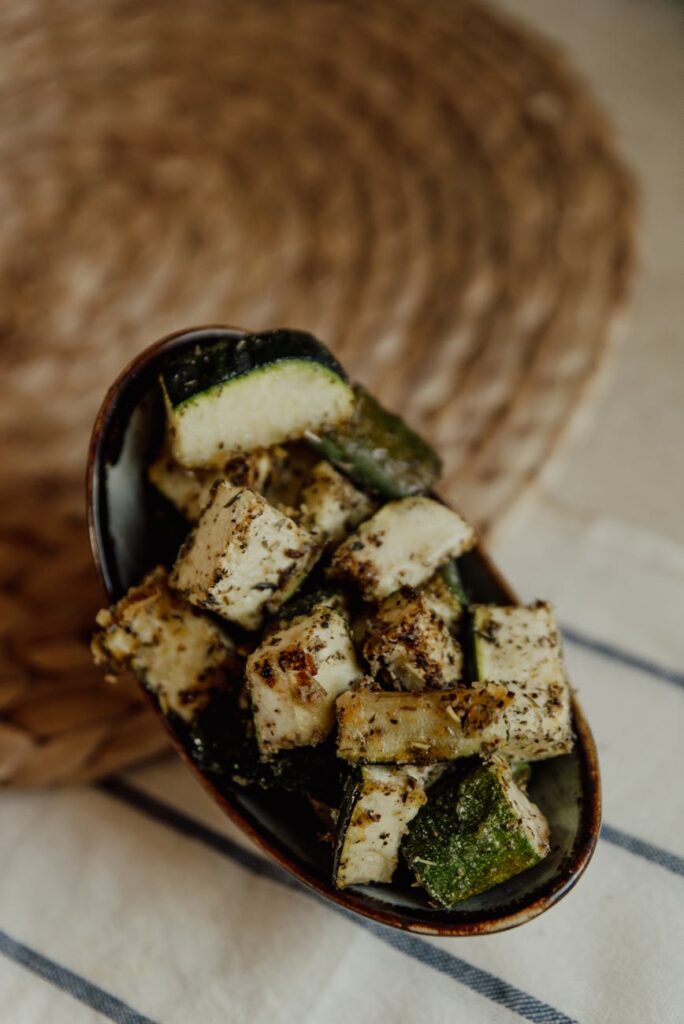
- Grilled or Roasted: Sliced zucchini can be grilled or roasted to enhance its natural sweetness.
- Stuffed:
Buying Considerations
When purchasing zucchini, several factors should be considered to ensure quality:
1. Seasonality: Zucchini is typically in season during the summer months. Purchasing during this time will yield the freshest produce.
2. Appearance: Look for zucchini that is firm, with a smooth, glossy skin. Avoid those with soft spots, blemishes, or signs of decay.
3. Size: Smaller zucchini (6-8 inches) tend to be more tender and flavorful, while larger ones can be tougher and may contain larger seeds.
4. Organic vs. Conventional: Organic zucchini is grown without synthetic pesticides or fertilizers. If you are concerned about chemical exposure, consider purchasing organic varieties.
5. Local vs. Imported: Buying locally grown zucchini supports local agriculture and often ensures fresher produce with a shorter supply chain.
Uses and Applications
Zucchini is a culinary staple, utilized in a myriad of dishes across various cuisines. Its mild flavor and versatility make it suitable for both savory and sweet applications. Common uses include: