
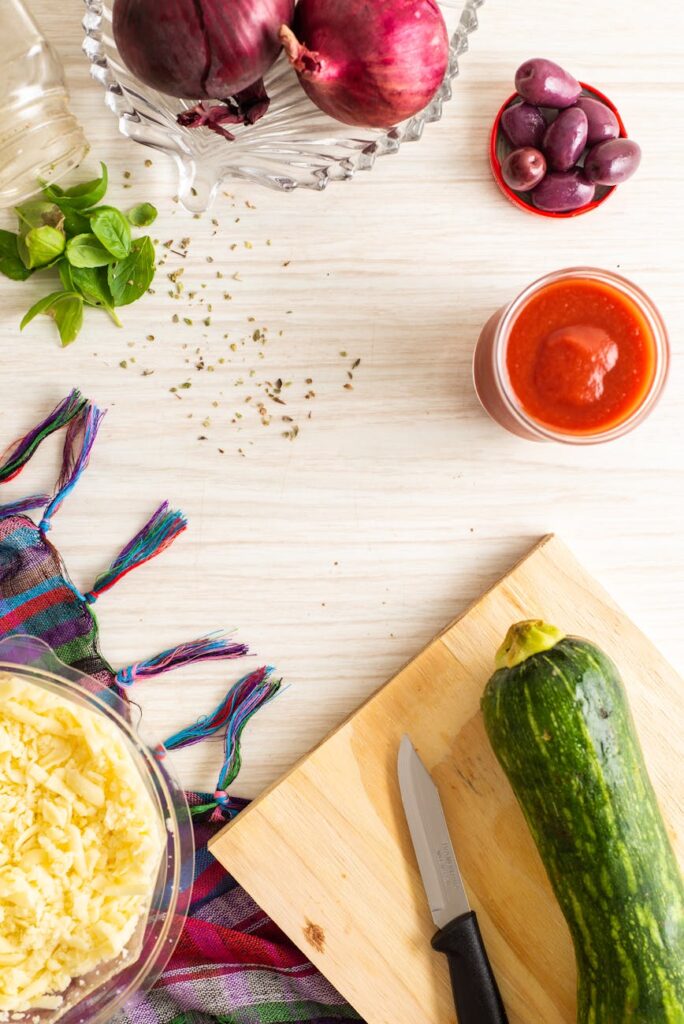
Zucchini Grading Explained
Introduction
Zucchini, also known as courgette in some regions, is a versatile summer squash that has gained popularity worldwide. Recognized for its mild flavor and adaptability, zucchini can be incorporated into a myriad of dishes, from salads and pastas to baked goods. However, understanding how to buy high-quality zucchini requires knowledge of grading, which assesses various attributes such as size, color, and firmness. This article delves into the intricacies of zucchini grading, offering insights into its history, production, quality assessment, and buying considerations.
What Is Buying?
In the context of food ingredients, “buying” refers to the process of selecting and purchasing food items based on specific criteria. This process encompasses understanding the quality, freshness, and grade of the ingredient, ensuring that consumers make informed decisions. When it comes to zucchini, buying involves recognizing the characteristics that denote quality and understanding how grading impacts both culinary applications and economic value.
History and Origins
Zucchini originated in Mesoamerica, where it was initially cultivated by indigenous peoples. The plant was later brought to Europe in the 19th century, particularly in Italy, where it became a staple. In the United States, zucchini gained prominence during the 20th century, particularly in California, which remains a significant producer. The evolution of zucchini from a wild squash to a cultivated vegetable has been influenced by numerous breeding programs aimed at enhancing its flavor, texture, and disease resistance.
Production and Processing
Zucchini thrives in warm climates, requiring rich, well-drained soil for optimal growth. The main production regions include the United States, Mexico, and Italy, with California being the leading state for zucchini cultivation. The growing season typically spans from late spring to early fall, providing ample opportunity for harvesting.
Once harvested, zucchini is usually washed, sorted, and graded based on its size, shape, color, and surface quality. Processing can vary from fresh market sales to processing for frozen or canned goods. The grading process is crucial as it determines the zucchini’s marketability and pricing.
Quality and Grading
Quality grading for zucchini is a systematic approach to evaluating its attributes. Various grading systems exist, with some of the most recognized standards being set by the United States Department of Agriculture (USDA). The USDA categorizes zucchini into different grades, primarily Grade A, Grade B, and Grade C, each defined by specific criteria.
Grade A
Grade A zucchini is considered premium quality. It is firm, well-shaped, and free from blemishes or cuts. The skin should be shiny, vibrant green, and uniform in color. The size typically ranges from 6 to 8 inches in length, although slight variations are acceptable. Grade A zucchini is ideal for fresh consumption and high-end culinary applications.
Grade B
Grade B zucchini may exhibit minor blemishes or imperfections but is still suitable for consumption. The skin may show slight discoloration, and the size can vary more than Grade A zucchini. While Grade B zucchini may not be as visually appealing, it can still be used in cooked dishes, where appearance is less critical.
Grade C
Grade C zucchini is the lowest grade and often has significant blemishes, soft spots, or irregular shapes. This grade is typically reserved for processing or canning, where the appearance is less important than the flavor and nutritional value. Grade C zucchini may also be used for products like soups or purees.
Additional Grading Metrics
Beyond the primary grading categories, zucchini may also be evaluated based on factors such as weight, length, and overall firmness. These metrics help buyers ascertain not only the quality but also the freshness of the product. Firmness is particularly important, as it indicates that the zucchini was harvested at the right time and has not begun to deteriorate.
Buying Considerations
When purchasing zucchini, consumers should consider several factors to ensure they select high-quality produce:
Freshness
Look for zucchini that feels firm to the touch and has a glossy skin. Avoid any that show signs of wilting or soft spots, as these indicate aging.
Size
Select zucchini that is medium-sized, as larger specimens may contain more seeds and a less desirable texture. Smaller zucchinis are often sweeter and more tender.
Color
Opt for zucchinis that are deep green in color without any yellowing or browning. A uniform color indicates healthy growth and proper ripeness.
Organic vs. Conventional
Consider whether to choose organic zucchini, which is grown without synthetic pesticides or fertilizers. Organic produce often has a more robust flavor and is considered a more environmentally sustainable choice.
Seasonal Availability
Buying zucchini in-season typically ensures better quality and flavor. In regions where zucchini is grown locally, the peak season is usually from late spring to early fall.
Source
Whenever possible, buy from reputable sources, such as farmers’ markets or trusted grocery stores. Knowing the source can provide insights into the growing practices and freshness of the zucchini.
Uses and Applications
Zucchini is a culinary chameleon, capable of being used in a wide variety of dishes. Its mild flavor makes it suitable for both savory and sweet applications. Common uses include:
- Salads: Raw zucchini can be spiralized or sliced for refreshing salads.
- Soups: Zucchini adds texture and flavor to soups, particularly in pureed forms.
- Stir-fries: Quick cooking methods allow zucchini to retain its crispness while absorbing flavors from other ingredients.
- Baking: Grated zucchini can enhance moisture in baked goods like breads and muffins.
- Grilling: Grilled zucchini becomes tender and caramelized, making it a flavorful side dish.
In professional kitchens, zucchini is valued not only for its culinary versatility but also for its ability to absorb flavors from spices and marinades, making it an essential ingredient in various cuisines.
Storage and Shelf Life
Proper storage is