
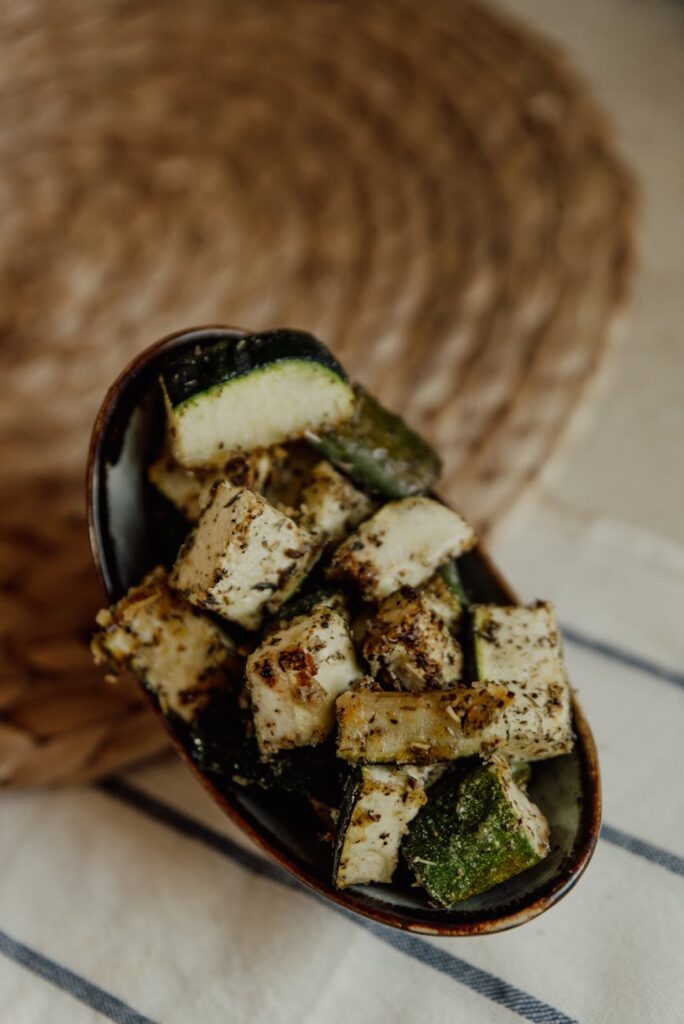
Zucchini Growing Guide Part 6
Introduction
Zucchini, also known as courgette, is a versatile summer squash that has become a staple in kitchens worldwide. Popular for its mild flavor and adaptability, zucchini can be used in a variety of dishes, from salads to pizzas. This guide delves into the multifaceted aspects of growing zucchini, including its history, production, quality grading, and best practices for storage, providing a comprehensive resource for both novice and experienced gardeners.
What Is Growing?
Growing refers to the biological process through which plants develop from seeds into mature specimens capable of producing fruits, flowers, or other reproductive structures. In the context of zucchini, growing encompasses various stages, including seed germination, vegetative growth, flowering, and fruit development. Successful growing requires an understanding of the plant’s needs, including light, water, nutrients, and space.
History and Origins
Zucchini is believed to have originated in Mesoamerica, particularly in regions that are now part of modern-day Mexico and Central America. The cultivation of squash dates back over 10,000 years, and zucchini itself was developed in Italy in the late 19th century. Brought to North America by Italian immigrants in the early 20th century, zucchini gained popularity for its adaptability to various climates and its prolific yield. Today, it is cultivated globally, with significant production in the United States, Italy, and Spain.
Production and Processing
Cultivation Practices
Zucchini thrives in warm climates and requires a growing season of at least 60 days. It prefers well-drained, nutrient-rich soil with a pH between 6.0 and 7.0. Cultivators often plant zucchini in late spring, after the last frost, using either seeds or transplants. The plants should be spaced adequately to allow for their sprawling growth habit, typically 2 to 3 feet apart.
Irrigation
Regular watering is crucial, especially during dry spells. Zucchini requires about 1 to 2 inches of water per week, either from rainfall or irrigation. Drip irrigation is often recommended to minimize water on the leaves, which can reduce the risk of fungal diseases.
Pest and Disease Management
Common pests include squash bugs, aphids, and cucumber beetles. Integrated pest management (IPM) strategies, such as introducing beneficial insects and crop rotation, can help control these pests. Diseases such as powdery mildew and root rot can also affect zucchini, necessitating good air circulation and proper watering techniques.
Harvesting
Zucchini is typically ready for harvest within 50 to 70 days of planting. The fruit should be picked when it is young and tender, about 6 to 8 inches long, for optimal flavor and texture. Overripe zucchini can become tough and seedy, diminishing culinary quality.
Quality and Grading
The quality of zucchini is assessed based on several factors, including size, shape, color, and firmness. The USDA grades zucchini as follows:
- U.S. No. 1: This grade includes zucchini that is well-formed, smooth-skinned, and free from defects. Size can vary, but a uniform shape is preferred.
- U.S. No. 2: This grade permits minor defects in shape and skin but must still be edible and usable.
- Unclassified: Zucchini that does not meet the criteria for the first two grades is placed in this category.
- Salads: Raw zucchini can be spiralized into noodles or sliced thinly for fresh salads.
- Soups: Cooked zucchini can be blended into creamy soups or added to vegetable broths for extra flavor.
- Baking: Zucchini can be incorporated into baked goods like muffins and bread, adding moisture and nutrition.
- Side Dishes: Sautéed or roasted zucchini pairs well with various proteins and grains, serving as a healthy side.
- Refrigeration: Store zucchini in the vegetable crisper drawer of your refrigerator. They can last up to one week when stored properly.
- Avoid Moisture: Excess moisture can lead to rot; therefore, it’s best not to wash zucchini until just before use.
- Freezing: For long-term storage, zucchini can be blanched and frozen. Cut into slices or cubes, blanch for 2-3 minutes, cool quickly in ice water, and then freeze in airtight containers.
Quality control during harvesting and processing is essential to maintain freshness and ensure a marketable product.
Buying Considerations
When purchasing zucchini, several factors should be taken into account:
1. Seasonality: Zucchini is typically in season from late spring to early fall. Buying when it’s in season ensures better flavor and quality.
2. Physical Attributes: Look for zucchini that is firm and free from blemishes or soft spots. The skin should be vibrant and glossy, indicating freshness.
3. Size: Smaller zucchini (6 to 8 inches) are generally more tender and flavorful than larger specimens.
4. Organic vs. Conventional: Consider whether you prefer organic zucchini, which is grown without synthetic pesticides and fertilizers.
Uses and Applications
Zucchini is an incredibly versatile ingredient, suitable for a wide array of culinary applications. It can be grilled, sautéed, steamed, or eaten raw. Common uses include:
Storage and Shelf Life
Proper storage is crucial to maintain the freshness of zucchini. Here are some guidelines:
Common Misconceptions
1. Zucchini is a Vegetable
While commonly treated as a vegetable in culinary contexts, zucchini is botanically classified as a fruit because it develops from the flower of the zucchini plant.
2. Larger Zucchini Are Better
Many believe that larger zucchini are superior; however, they can become