
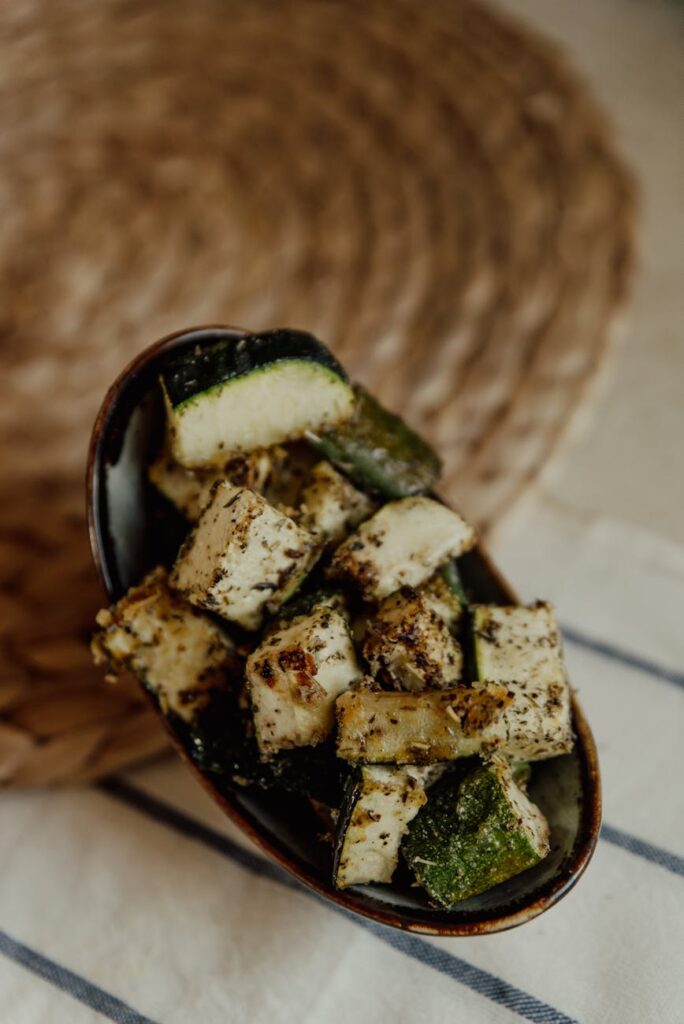
Zucchini in Traditional Cuisine
Introduction
Zucchini, known botanically as Cucurbita pepo, is a versatile summer squash that has gained global recognition for its mild flavor and culinary adaptability. Although it is often categorized as a vegetable, zucchini is technically a fruit, belonging to the gourd family. Its tender texture and subtle taste make it an ideal ingredient in a multitude of dishes across various cultures. This article delves into the traditional uses of zucchini, exploring its historical origins, production practices, and its role in culinary traditions around the world.
What Is Uses?
In the context of culinary ingredients, “uses” refers to the various ways in which an ingredient can be incorporated into dishes, its preparation methods, and its cultural significance. With zucchini, its uses extend beyond simple cooking techniques; they encompass various cultural practices, regional specialties, and innovative applications in both traditional and modern cuisines. Understanding these uses not only enhances one’s appreciation of zucchini but also informs its incorporation into diverse culinary contexts.
History and Origins
Zucchini’s history can be traced back to Mesoamerica, where it was cultivated by indigenous peoples long before the arrival of European settlers. The squash is believed to have originated in the region that now encompasses parts of Mexico and Central America. Zucchini, along with other squashes, was introduced to Europe in the late 18th century, where it quickly became a staple in Mediterranean diets.
In Italy, zucchini is known as “zucchina” and has been embraced in traditional dishes such as ratatouille and fritters. The vegetable has also found a significant place in French cuisine, where it is often included in vegetable medleys and soups. Over the years, zucchini has adapted to various culinary traditions, showcasing its versatility and the ability to blend seamlessly into numerous dishes.
Production and Processing
Zucchini is predominantly grown in temperate climates, with significant production occurring in the United States, Italy, and Mexico. It thrives in well-drained soils with ample sunlight, making it a popular crop in home gardens and commercial farms. The growing season for zucchini typically spans from late spring to early fall, with peak harvesting occurring in summer.
Once harvested, zucchini can be processed in various ways, including slicing, dicing, or spiralizing, to accommodate different cooking methods. In some cultures, zucchini is pickled or preserved, extending its shelf life and allowing for year-round enjoyment. As a fresh ingredient, zucchini is often available in markets year-round, although it is most flavorful and nutritious during its peak season.
Quality and Grading
When assessing the quality of zucchini, several factors come into play. Freshness is paramount; high-quality zucchini should have a firm texture, a vibrant green color, and a smooth, unblemished skin. Smaller zucchinis, typically ranging from 6 to 8 inches in length, are often considered superior in flavor and tenderness compared to larger specimens, which can be more fibrous and seedy.
Grading standards may vary by region, but generally, zucchini is classified into categories such as U.S. No. 1 or U.S. Fancy, based on criteria like size, shape, and overall appearance. Consumers are encouraged to choose zucchini that is free from blemishes and soft spots, ensuring optimal taste and texture when cooked.
Buying Considerations
When purchasing zucchini, several considerations can enhance the culinary experience. Firstly, opting for organic zucchini can minimize exposure to pesticides and enhance flavor. Additionally, seasonal purchases ensure that the zucchini is at its freshest and most flavorful state.
It is also beneficial to consider the intended use when selecting zucchini. For instance, if you plan to grill or roast zucchini, medium-sized specimens may work best, while smaller zucchinis are ideal for salads and stir-fries. By understanding the characteristics and uses of zucchini, consumers can make informed decisions that enrich their culinary endeavors.
Uses and Applications
Zucchini’s adaptability is one of its most appealing qualities, allowing it to be utilized in a diverse range of dishes across various cuisines. Some traditional uses include:
1. Stuffed Zucchini
In Mediterranean cuisines, stuffed zucchini is a popular dish where the vegetable is hollowed out and filled with a mixture of rice, minced meat, herbs, and spices before being baked. This preparation highlights zucchini’s ability to absorb flavors and provides a hearty meal option.
2. Ratatouille
In French cuisine, ratatouille is a classic vegetable stew that features zucchini alongside eggplant, bell peppers, and tomatoes. The slow cooking process allows the flavors to meld, showcasing zucchini’s role as a significant ingredient in this beloved dish.
3. Zucchini Fritters
Zucchini fritters are a staple in various culinary traditions, particularly in Italian cuisine. Grated zucchini is combined with flour, eggs, and herbs before being pan-fried to create a crispy exterior and tender inside. These fritters serve as a delightful appetizer or side dish.
4. Soups and Purees
Zucchini is often incorporated into soups and purees, where its mild flavor enhances the overall dish without overwhelming other ingredients. In Italian minestrone, for example, zucchini adds texture and nutrition to the hearty vegetable medley.
5. Salads
Raw zucchini can be sliced thinly or spiralized to create fresh salads. In Italian cuisine, “insalata di zucchine” features raw zucchini tossed with olive oil, lemon juice, and fresh herbs, providing a refreshing side dish.
6. Baking
Zucchini is frequently used in baking, particularly in sweet breads and muffins. Its natural moisture content helps to keep baked goods tender and adds a subtle sweetness, making it a suitable ingredient for both savory and sweet applications.
Storage and Shelf Life
Proper storage is essential for maintaining zucchini’s freshness and flavor. When stored in the refrigerator