
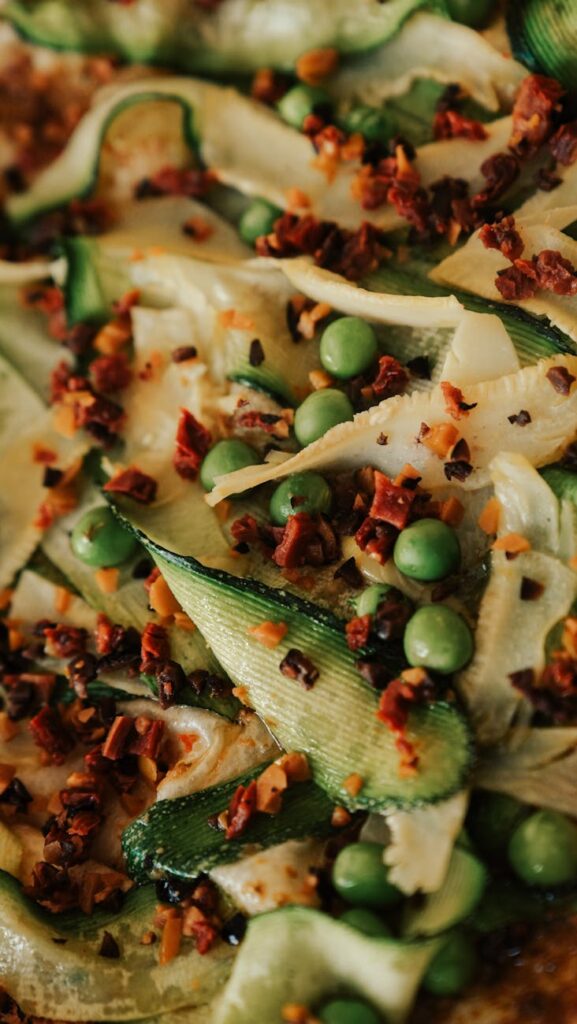
Zucchini Production by Country
Introduction
Zucchini, scientifically known as Cucurbita pepo, is a versatile summer squash that has become a staple in kitchens worldwide. Its adaptability in various climates and culinary applications has led to its extensive cultivation across several countries. This article delves into the production of zucchini by country, exploring its history, processing, quality control, and more. Understanding the global landscape of zucchini production not only enriches our culinary knowledge but also highlights the agricultural intricacies behind this beloved vegetable.
What Is Regions?
In the context of agricultural production, “regions” refers to the specific geographical areas where crops are cultivated. These regions vary widely in climate, soil types, and farming practices, significantly influencing crop yield and quality. For zucchini, these regions can range from the temperate zones of Europe and North America to the warmer climates of Asia and South America. Each region brings unique attributes to its zucchini production, contributing to variations in flavor, texture, and nutritional profile.
History and Origins
Zucchini is thought to have originated in Mesoamerica, where its ancestors were cultivated thousands of years ago. The squash gained prominence in Italy, where it was selectively bred into the varieties we recognize today. Zucchini was first introduced to North America in the late 19th century, primarily by Italian immigrants who recognized its culinary potential. Over the decades, zucchini has evolved from a niche crop to a significant agricultural product, particularly in the United States, where it is a common feature in home gardens and commercial farms alike.
Production and Processing
Global Production Overview
Globally, zucchini is cultivated in various countries, with significant production concentrated in regions that offer the right climatic conditions. According to the Food and Agriculture Organization (FAO), the top producers of zucchini include:
1. China: As the leading producer, China accounts for over half of the world’s zucchini production. The country’s favorable climate and advanced agricultural techniques contribute to high yield rates.
2. Italy: Known for its culinary heritage, Italy produces a variety of zucchini called “zucchino” that is cherished in traditional dishes. The country benefits from a Mediterranean climate conducive to growing high-quality squash.
3. United States: The U.S. ranks among the top producers, particularly in states like California, Florida, and Texas. The diverse agricultural practices in these states allow for year-round production.
4. Turkey: Turkey has emerged as a significant producer in recent years, largely due to its favorable growing conditions and increasing domestic demand.
5. Spain: With a climate similar to Italy, Spain has also become a notable player in zucchini production, exporting a considerable amount to other European countries.
Processing Techniques
Post-harvest processing of zucchini involves various methods to enhance shelf life and quality. Common practices include washing, sorting, and packaging. Zucchini is often marketed fresh, but it can also be canned, frozen, or dried for extended preservation. Techniques such as blanching before freezing help maintain the vegetable’s texture and nutritional value.
Quality and Grading
Quality standards for zucchini vary by region and market demands. In the United States, the U.S. Department of Agriculture (USDA) sets grading standards based on size, shape, color, and overall appearance.
Grading Categories
1. U.S. No. 1: Zucchini in this category exhibits uniform size and shape, with a smooth, unblemished skin. It is typically the highest quality available.
2. U.S. No. 2: This category includes zucchini that may have minor blemishes or irregularities but is still suitable for processing or culinary use.
3. U.S. No. 3: Often considered “culls,” these zucchinis are generally not suitable for market sale but may be used for animal feed or compost.
Quality control measures not only ensure consumer satisfaction but also affect pricing and marketability.
Buying Considerations
When selecting zucchini, consider the following factors:
- Freshness: Look for zucchinis that are firm and bright in color, with smooth skin. Avoid those with soft spots or blemishes.
- Size: Smaller zucchinis are generally more tender and flavorful, while larger ones can be tougher and may contain larger seeds.
- Local vs. Imported: Seasonal, locally grown zucchini often has a superior flavor profile compared to imported varieties.
- Organic vs. Conventional: Organic zucchini may be preferable for those concerned about pesticide use. Look for certification labels when shopping.
- Salads: Raw zucchini can be sliced thin or spiralized to create fresh salads.
- Grilling: Marinated zucchini is a popular choice for grilling, enhancing its natural sweetness.
- Baking: Zucchini can be incorporated into baked goods, such as bread and muffins, adding moisture and nutrition.
- Soups and Stews: Its ability to absorb flavors makes zucchini an excellent addition to soups and stews.
- Refrigeration: Store zucchini in the vegetable crisper of the refrigerator, where it can last for about 4 to 7 days.
- Avoid Moisture: Excess moisture can lead to spoilage, so it is advisable to keep zucchini dry and unwashed until ready for use.
- Freezing: For extended storage, zucchini can be blanched and then frozen. Properly frozen, it can last up to 6 months.
- Zucchini Is a Vegetable: While commonly categorized as a vegetable, zucchini is botanically a fruit. It develops from the flower of the zucchini plant.
- Only Green Zucchini Exists: Zucchini comes in various colors, including yellow and striped varieties. Each has its unique flavor profile.
- Zucchini Is Nutritionally Insignificant: Although low in calories, zucchini is high in vitamins and minerals, including vitamin C, potassium, and antioxidants.
Uses and Applications
Zucchini is a highly versatile ingredient, finding its way into a variety of dishes across different cuisines. Its mild flavor allows it to complement a wide range of ingredients. Common culinary applications include:
Zucchini is also increasingly used in low-carb diets as a substitute for pasta, commonly referred to as “zoodles.”
Storage and Shelf Life
Proper storage is crucial for maintaining zucchini’s freshness. Here are some guidelines:
Common Misconceptions
Many misconceptions surround zucchini that can lead to confusion among consumers:
Frequently Asked Questions
1. What is the best time to plant zucchini?
Zucchini thrives in warm weather. It is best planted after the last frost, typically in late spring or early summer.
2. Can zucchini be grown year-round?
In temperate climates, zucchini is primarily a summer crop. However, in warmer regions, it can be grown year-round.
3. How do I know if zucchini is fresh?
Fresh zucchini should feel firm and have a vibrant color. Avoid any that are soft, wrinkled, or have blemishes.
4. Is there a difference between summer squash and zucchini?
Zucchini is a type of summer squash, characterized by its tender skin and mild taste, while winter squashes like butternut and acorn have a tougher skin and denser flesh.
5. Can zucchini be eaten raw?
Yes, zucchini can be enjoyed raw, sliced in salads or spiralized as a pasta alternative.
6. How can I tell if zucchini is overripe?
Overripe zucchini will be larger, with a tough skin and may contain larger seeds. It can also have a spongy texture.
Conclusion
Zucchini is much more than a simple summer squash; it is a product of rich agricultural heritage and modern farming practices across various countries. Its adaptability, nutritional benefits, and culinary versatility make it a beloved ingredient worldwide. Understanding zucchini production by country not only enhances our appreciation for this humble vegetable but also underscores the importance of sustainable agricultural practices and market dynamics. Whether enjoyed fresh from the garden or as part of a gourmet dish, zucchini continues to be an essential component of global cuisine.